Developing Stories Images and insights from life on the road
Cell service sparse
I’ve spent the last six weeks traveling through Montana and now Wyoming. Let’s just say my cell service is a little spotty at best and nonexistent at worse. That is the reason for the sporadic blog posts the last several weeks. I have been busy traveling every few days. This is not my preferred method of travel. I like to spend extended periods of time at each location. I like to explore the area, get to know the landscape and find the best places to photograph the wildlife. I haven’t been able to do that the last few weeks but I will be “settling down” for a bit in the next week. I will have cell service and promise to be more diligent in my posting. I hope everyone is enjoying their summer.
For more content from me check out my Substack at macturkphotos.substack.com, Instagram at instagram.com/macturkphotos or Facebook at facebook.com/wendy.macturk
Keep exploring,
Wendy
Photo of the Week
Here we go…..
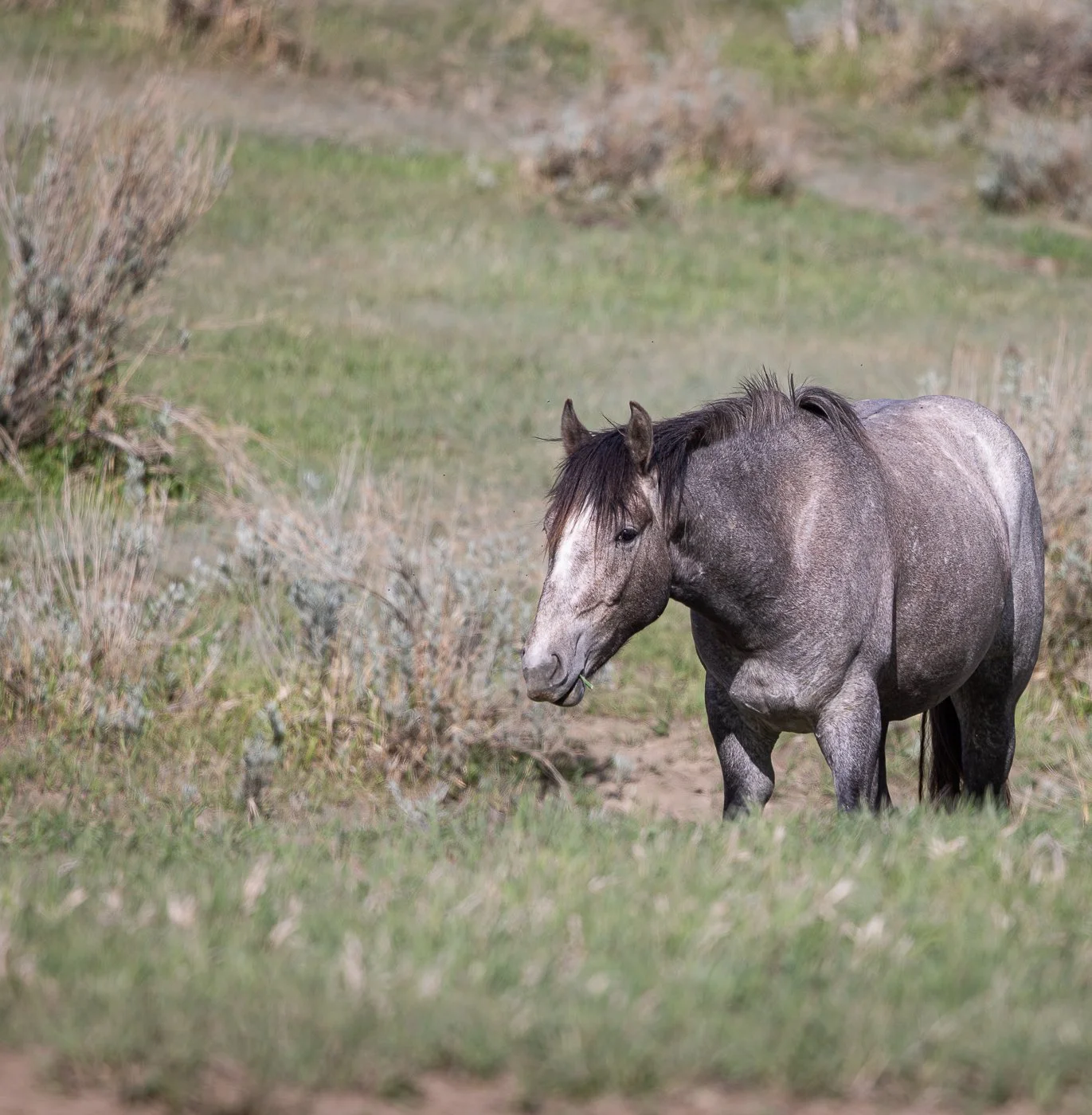
For those of you who know or have followed me for some time, it is well known that I love wild horses. Photographing them. Observing them. Just being in their presence. This photo was taken earlier this year at Theodore Roosevelt National Park. This is the only national park with wild horses (the National Park Service does manage other sites that have wild horses but the are not “national parks”). Although this park is beautiful, I really only visit to see the wild horses. I hope you like this photo as much as I do.
For more content from me check out my Substack at macturkphotos.substack.com, Instagram at instagram.com/macturkphotos or Facebook at facebook.com/wendy.macturk
Keep exploring,
Wendy
Yellowstone National Park
I took a quick side trip through part of Yellowstone National Park yesterday. I’m heading there for a couple of days and I wanted to get a little sneak peak. I drove through the Lamar Valley and took the Beartooth Highway as I headed back to the camper. I saw a lot of bison and a few other animals. It was a beautifal drive despite the wildfire smoke.
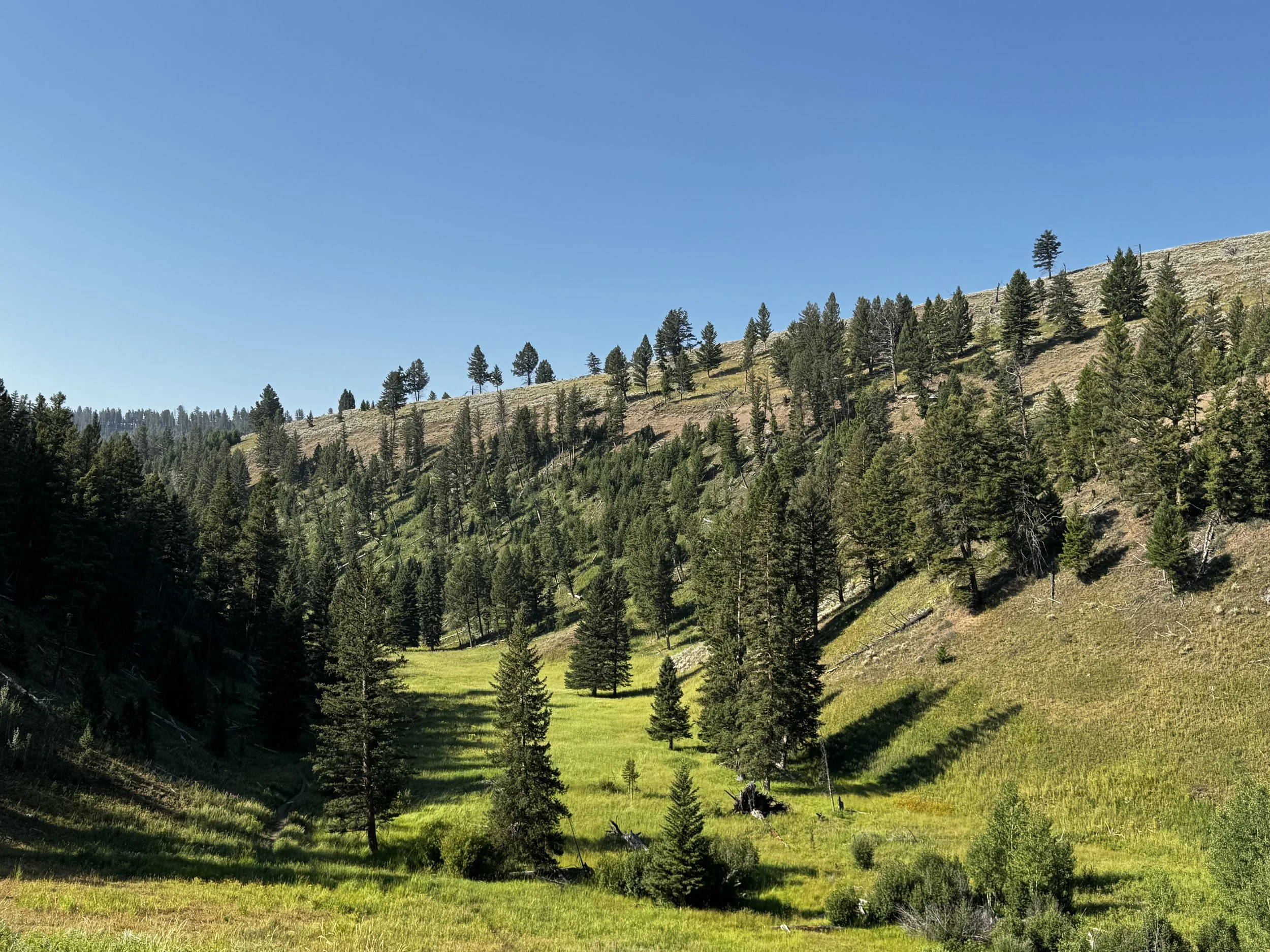
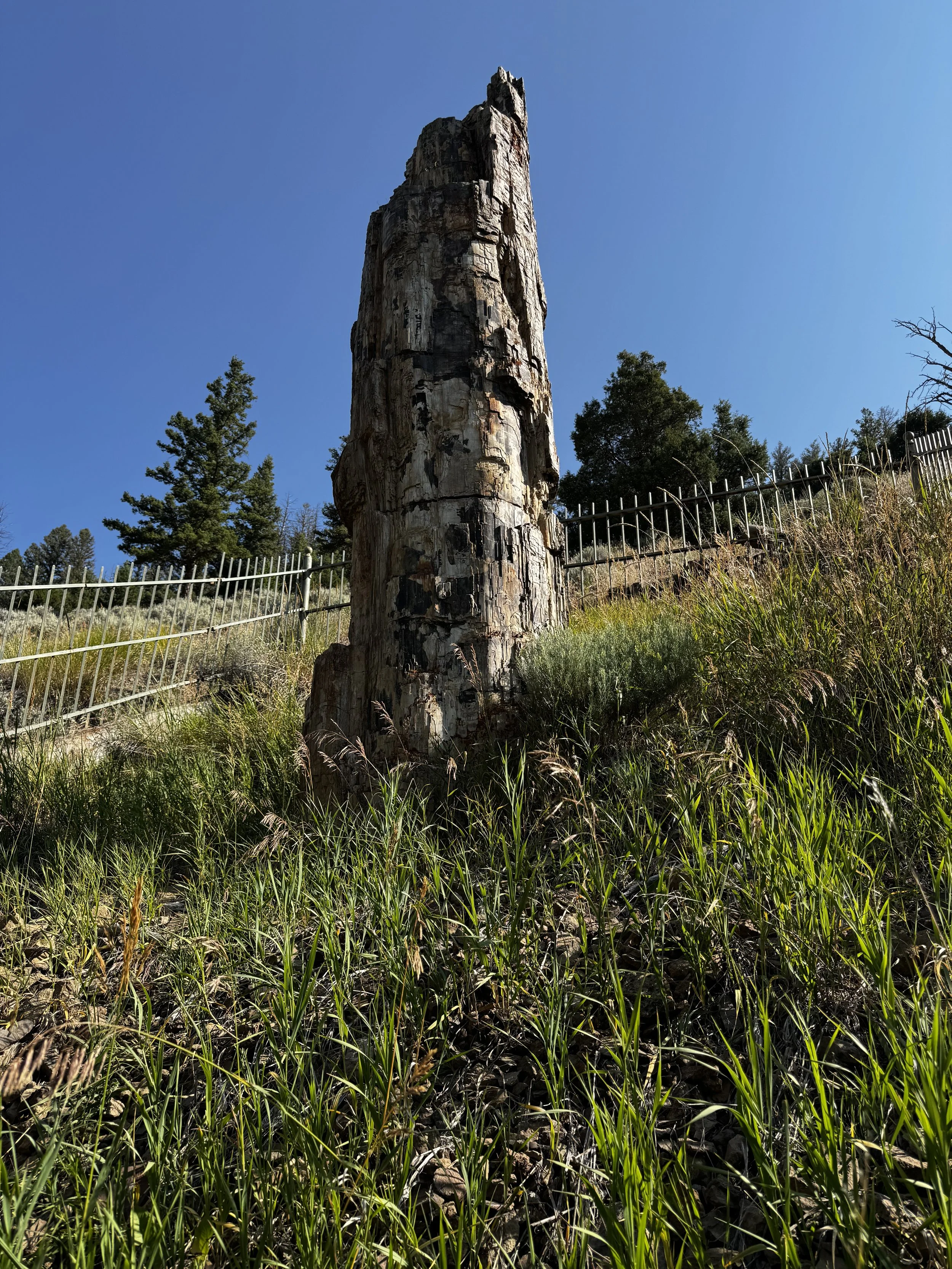
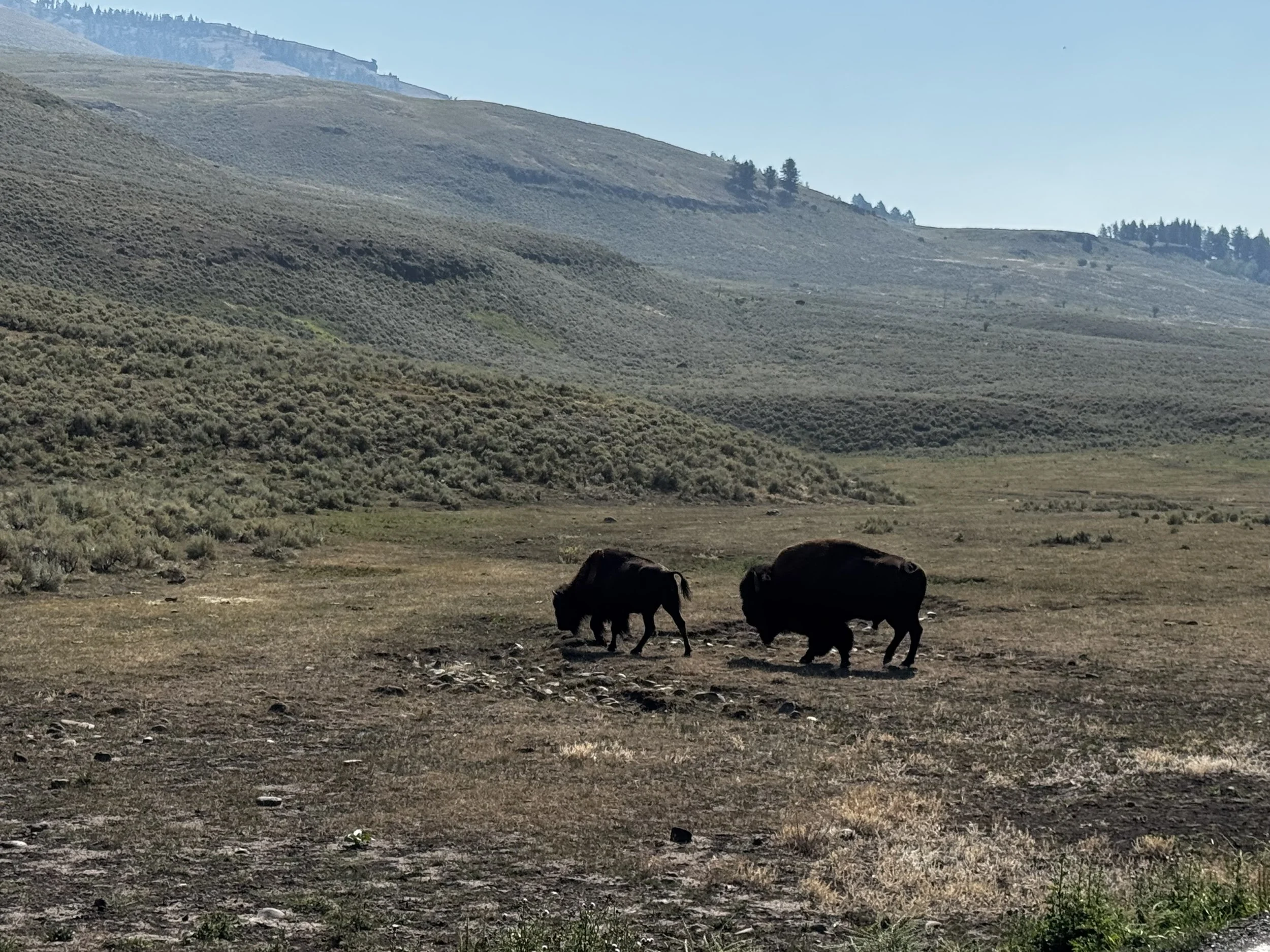
I can’t wait to spend more time there.
For more content from me check out my Substack at macturkphotos.substack.com, Instagram at instagram.com/macturkphotos or Facebook at facebook.com/wendy.macturk
Keep exploring,
Wendy
Casinos?
As I continue to catch my breath from my visit to Glacier National Park, I’ve noticed something about Montana. There are casinos everywhere. I don’t mean big casinos with card games but small ones with machine games. They are at gas stations, truck stops, strip malls and I even saw one attached to a grocery store. Just about every restaurant has one. It’s mind boggling to me but I know a lot of people who would love it.
For more content from me check out my Substack at macturkphotos.substack.com, Instagram at instagram.com/macturkphotos or Facebook at facebook.com/wendy.macturk
Keep exploring,
Wendy
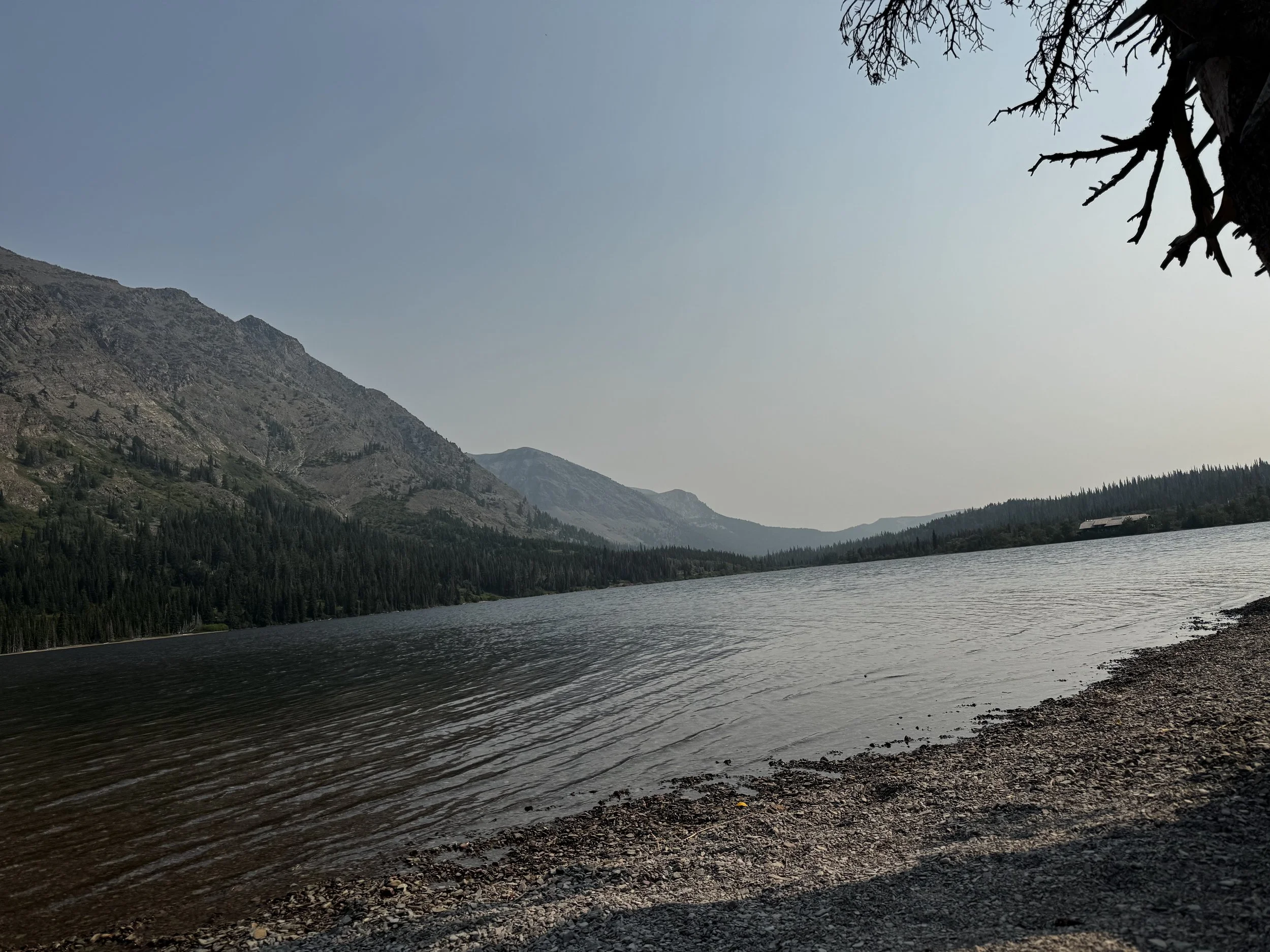
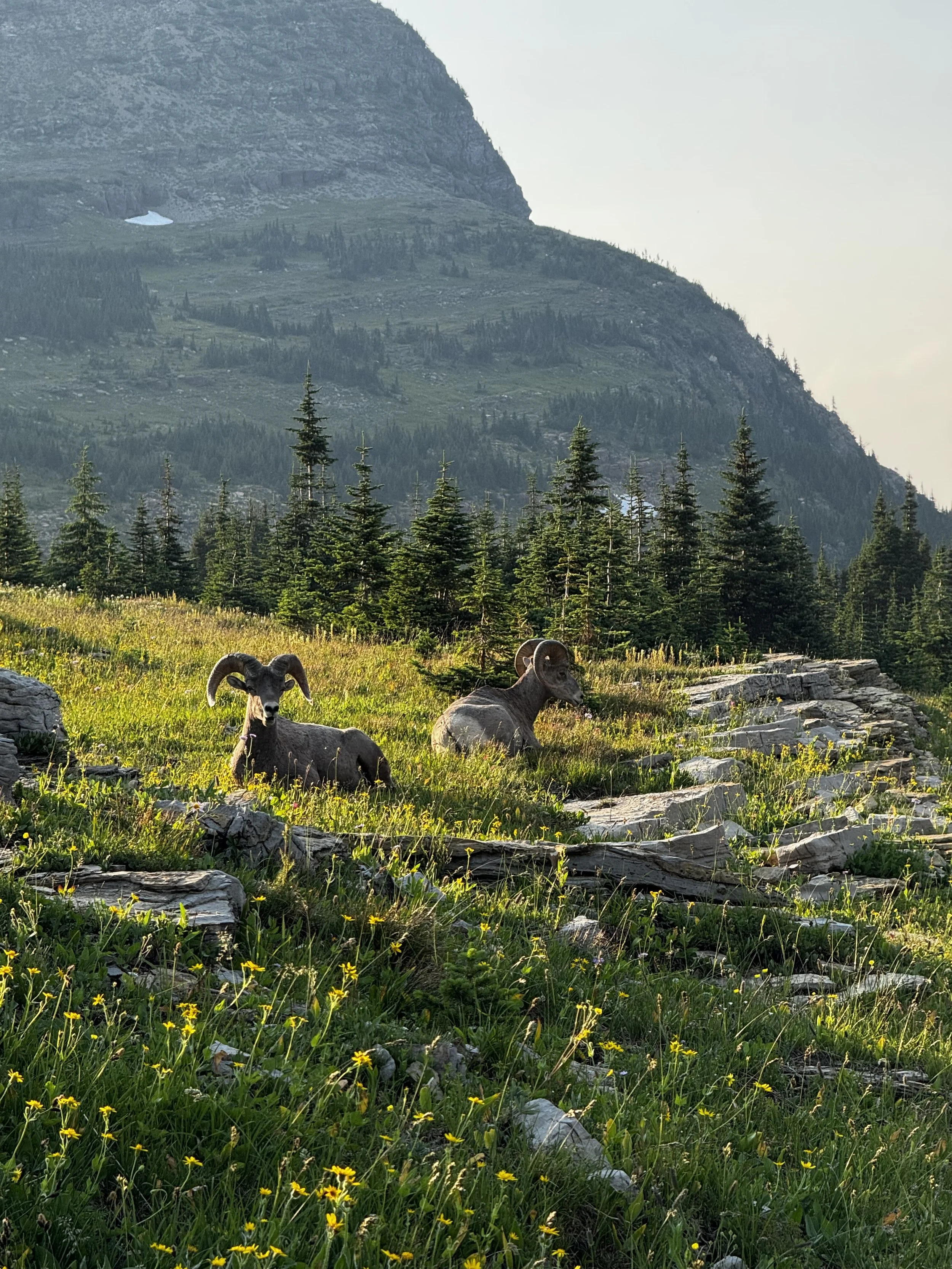
Goodbye Glacier National Park
I said goodbye to Glacier and headed south to Butte, MT. I will be writing a review of Glacier National Park in the future but I must say it was definitely one of my favorite parks of all time.
For more content from me check out my Substack at macturkphotos.substack.com, Instagram at instagram.com/macturkphotos or Facebook at facebook.com/wendy.macturk
Keep exploring,
Wendy
American Beaver (Castor canadensis)
I posted this phone picture of a beaver on my Substack a few days ago.
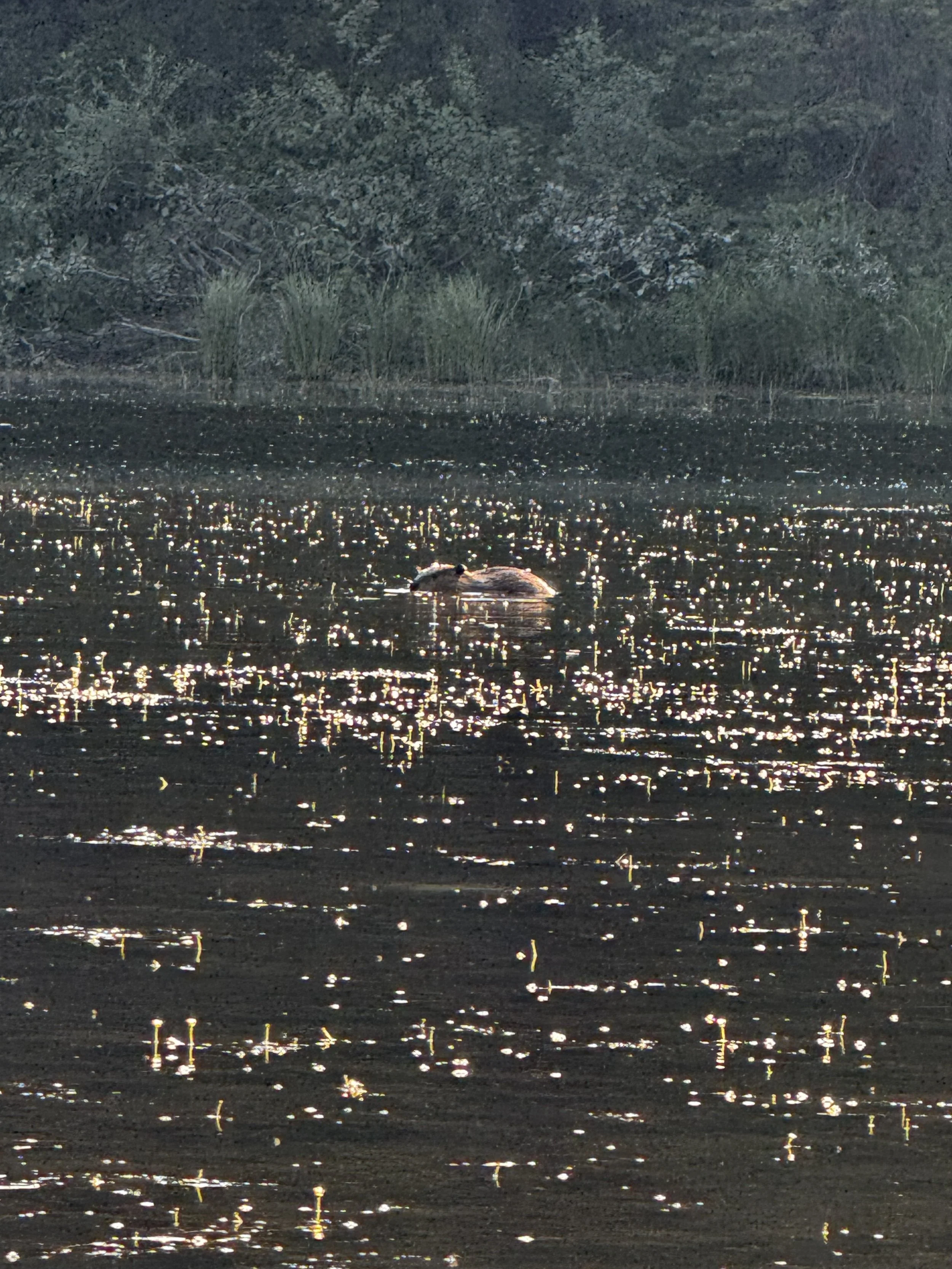
A man Jeff posted a comment, “The story of the American Beaver over the last 400 years is truly fascinating.” I know the basics about the history of beavers, trapped almost to extinction but eventually they recovered. I know they are an important part of their ecosystem and for the environment. His comment got me thinking so to google I went.
Before Europeans arrive, there were 60 - 400 million of beaver occupying North America. Many Indigenous nations regarded the beaver as both an important food source and a symbol of industriousness and cooperation.
Europeans loved beaver pelts and this drove extensive fur trading in 1600s - 1700s. Vast trading networks were established starting with the French then expanding to include the English and Dutch.
In 1700 - 1800, the demand exploded and this led to exploration west across America and Canada. By 1850, it was near collapse of the beaver population. Some areas lost almost 95% of their beaver populations. Wetlands were lost due to the abandonment of active beaver dams and colonies. These changes to the ecosystem went unnoticed and/or misunderstood.
By 1900, fashion trends had started to change from the demand for beaver pelts to a demand for silk. This reprieve allowed beaver populations to recover in the most remote areas of North America. By 1950, early conservationists realized many species were disappearing and stepped in with regulation of trapping, protecting habitat and reintroducing beaver to their original ranges. One of the most unique reintroductions occurred in Idaho between 1940 - 1950. Called “Operation Beaver Drop” they parachuted beavers in specially designed boxes into some of the most remote areas. Upon landing, the box would open and the beaver would move on to repopulate the area. Of the 76 beavers airdropped only one died. I mean how cool is that.
As science developed in the last half of the 1900s, scientists determined that the beaver was an “ecosystem engineer.” Their dams create wetlands, slow floodwaters, recharge groundwater, improve water quality, reduce erosion, and create habitat for hundreds of species. Today, the beaver is considered one of the best recovery stories. With approximately 10-15 million beavers over North America, they have recovered to safe level. As I end my time here at Glacier National Park, I thank the beaver for one of their most important jobs, reduce wildfire impacts by keeping riparian areas moist. There has been a wildfire smoke haze for my entire visit. It could be worse, than you Mr. Beaver.
I hope you have enjoyed my TED talk on beavers.
For more content from me check out my Substack at macturkphotos.substack.com, Instagram at instagram.com/macturkphotos or Facebook at facebook.com/wendy.macturk
Keep exploring,
Wendy
Moose
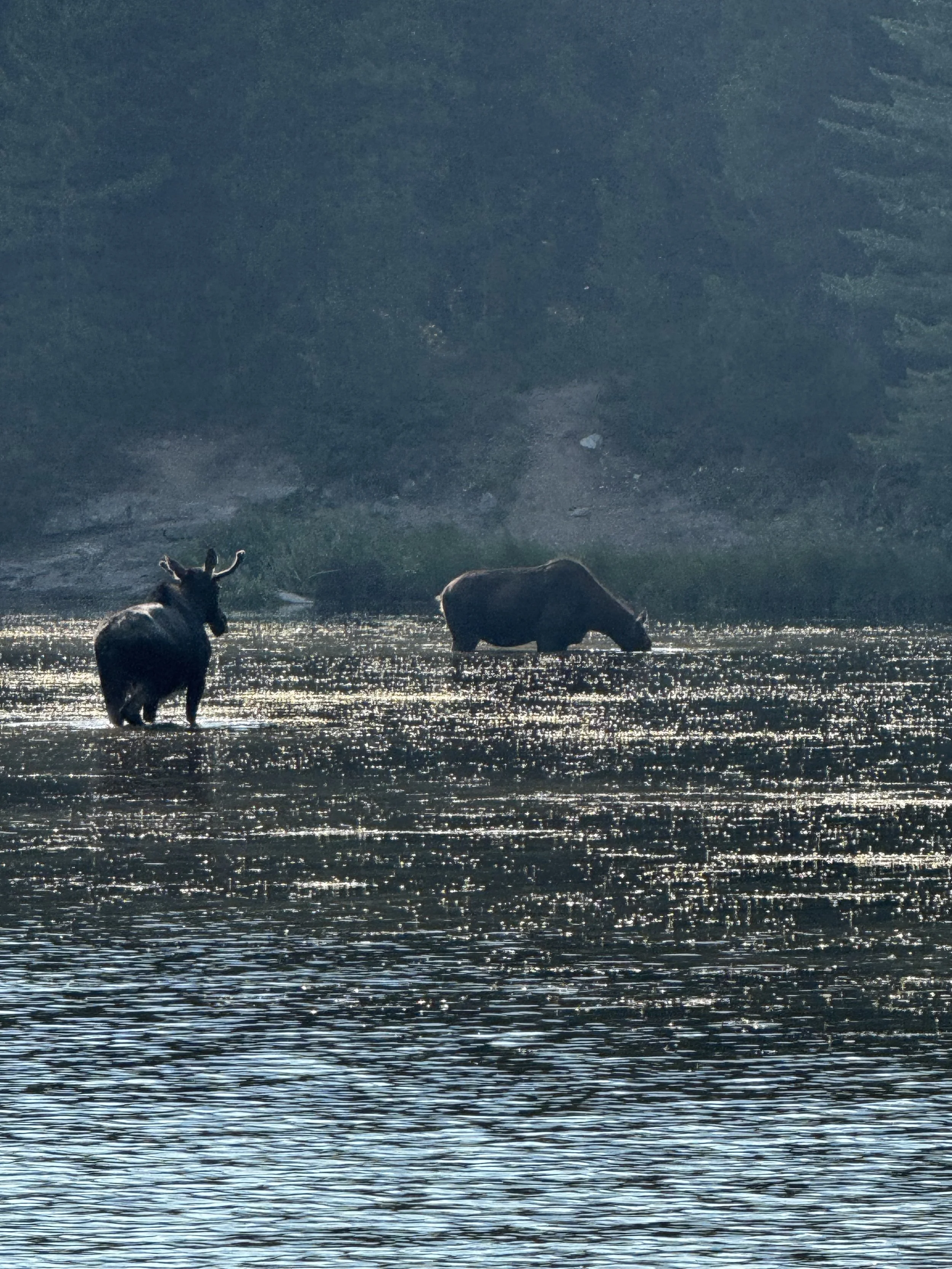
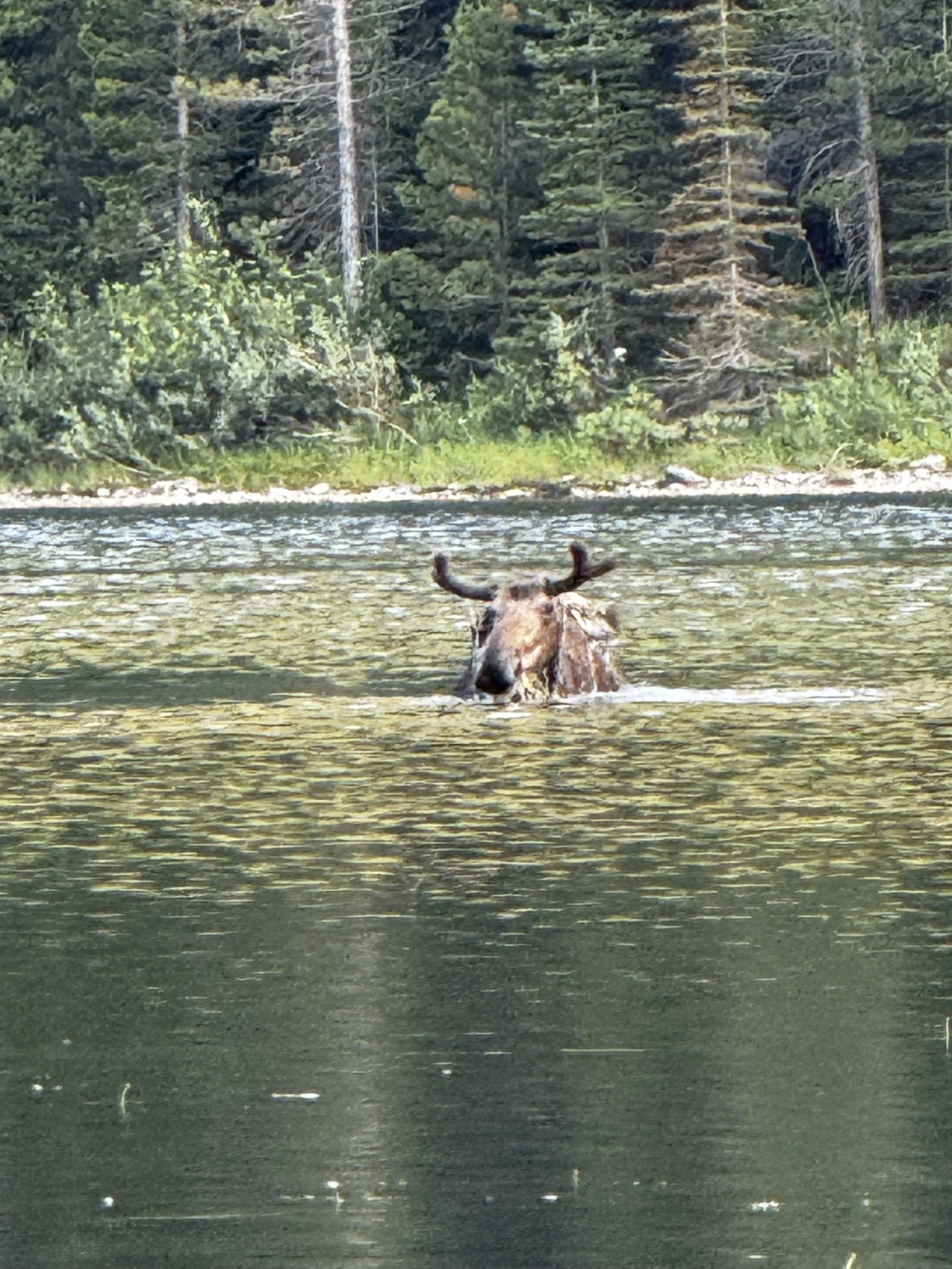
I found moose here at Glacier National Park and spent a few hours photographing them earlier this week. It was such a fun experience I’m headed back to the same area to photograph them again tonight. Wish me luck.
For more content from me check out my Substack at macturkphotos.substack.com, Instagram at instagram.com/macturkphotos or Facebook at facebook.com/wendy.macturk
Keep exploring,
Wendy
Moment of zen
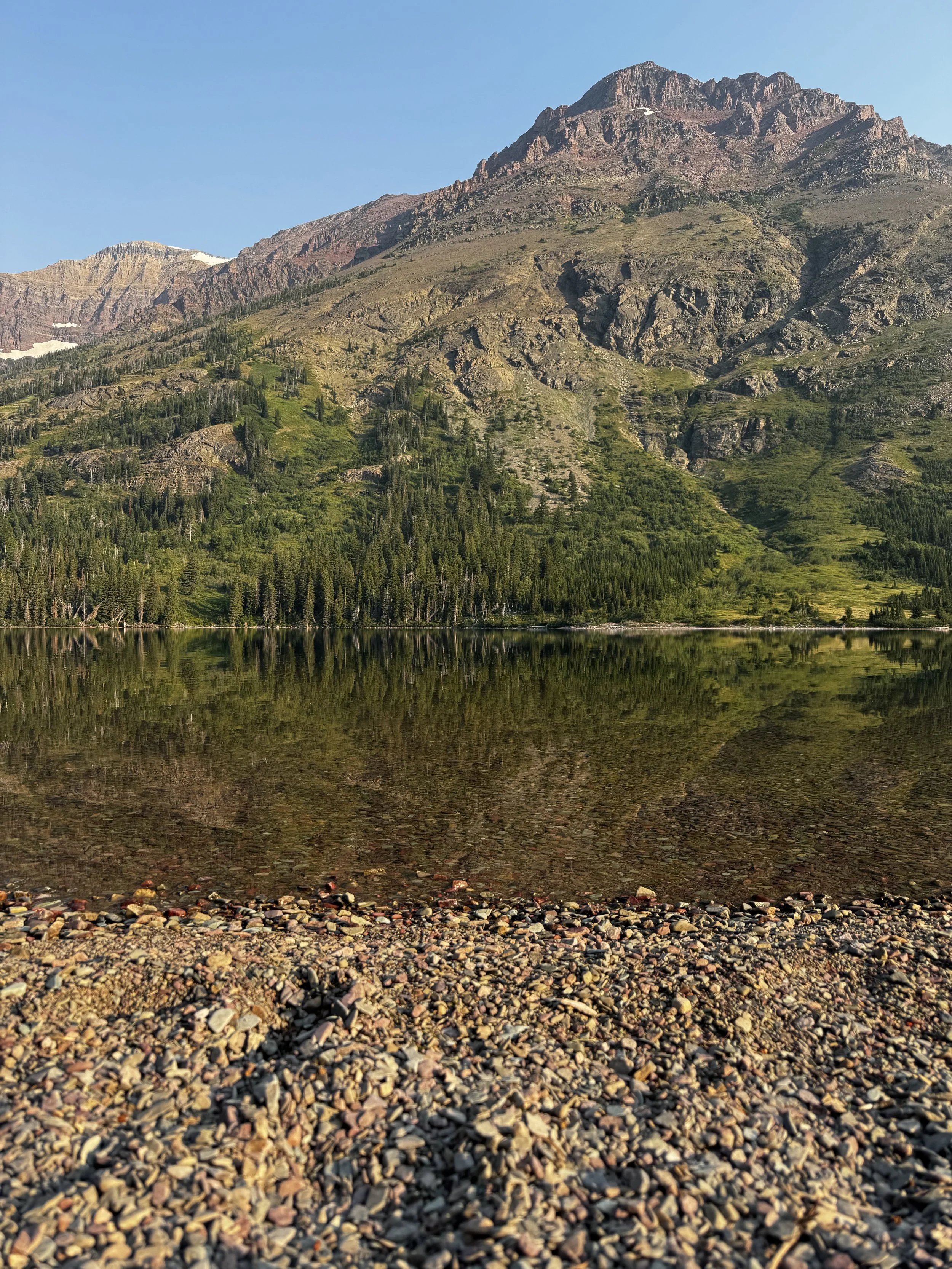
Today I took a short hike and laid down with my head propped on my pack and just listened to the silence. It was sublime.
For more content from me check out my Substack at macturkphotos.substack.com, Instagram at instagram.com/macturkphotos or Facebook at facebook.com/wendy.macturk
Keep exploring,
Wendy
Badlands National Park
Happy Monday! I hope everyone had an enjoyable weekend. I spent the month of June near Badlands National Park. It was the second National Park I ever visited and I was completely mesmerized from the first moment I set foot in the park. Here are some of the history and my thoughts on the park.
The park encompasses 244,000 acres in southwestern South Dakota. This amazing scenery is the result of tens of millions of years of geologic forces of deposition and erosion. The erosion continues to this day and will only stop when the buttes have worn away. The Oglala Lakota called these lands mako sica meaning “land bad” giving to its current name. The park consists of a north and south unit. The north unit is easily accessible from Interstate 90, there is a fee to enter this park. There is a paved road that leads from the eastern entrance to the western entrance that provide some of the most beautiful views I have ever seen. From eroded buttes and pinnacles to the mixed grass prairies it is a sight to behold. The park was originally a reservation of the Oglala Sioux and the south unit is still co-managed with the tribes.
The Badlands was first established as a national monument in order to protect the abundance of fossils found in the area’s natural stone structures. Today, visitors and scientists continue to find fossils in the park. If you stop at the park, be sure to stop by the visitor center and go into the fossil lab where you can watch paleontologists work on fossils that have been found in the park. I was allowed to hold an Oreodont skull that had been found in the park (one of the scientists allowed me to hold it, I don’t think that is normal practice). It is so surreal to be holding the skull of an animal that lived here millions of years ago. Approximately four finds are made by visitors each day. Never touch or remove a fossil found in the park, you should take a picture and note the location and report it to the rangers as soon as possible. They will then determine if it will be excavated.
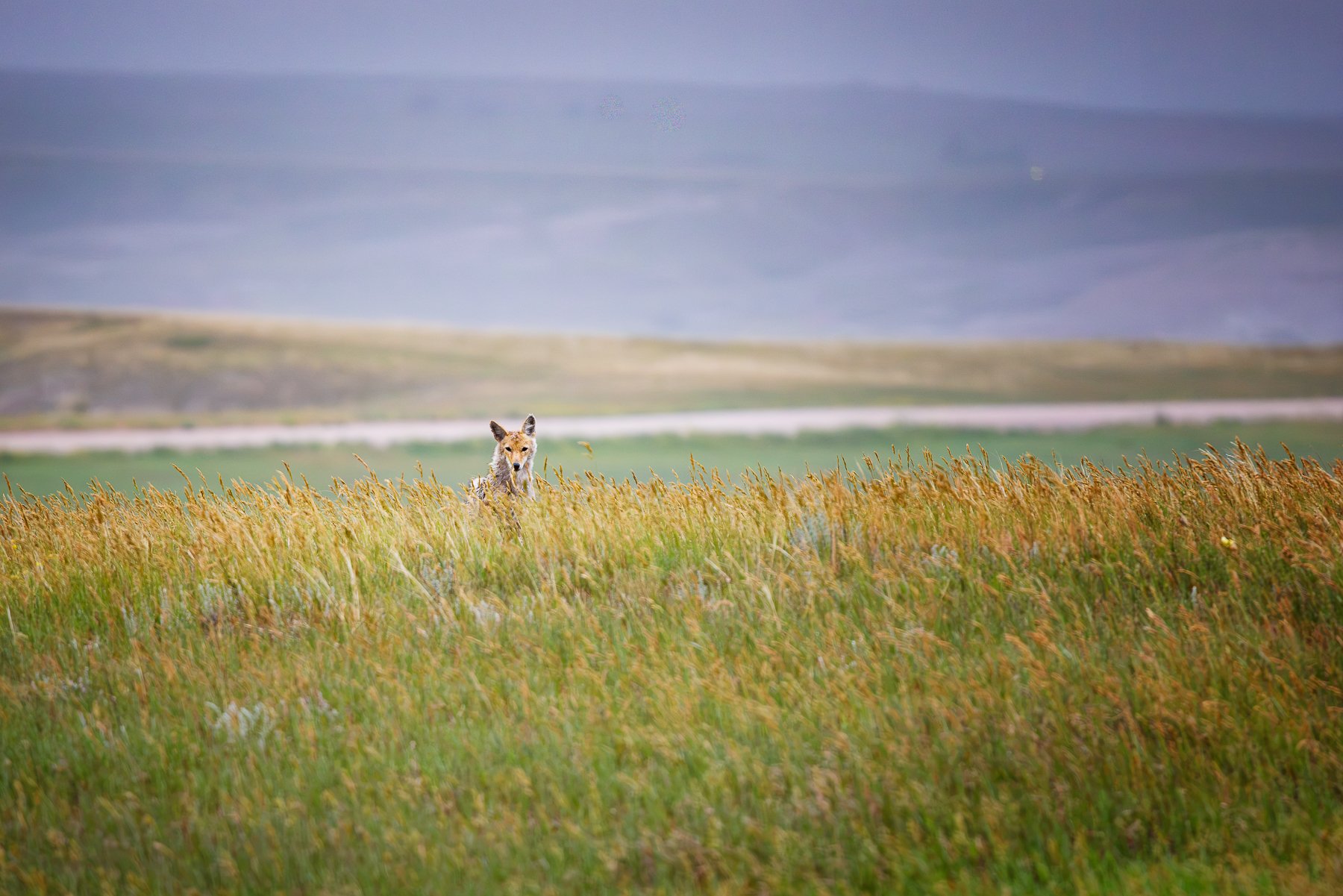
On the photography front, I have seen bison, prairie dogs, pronghorn, coyotes, burrowing owls and bighorn sheep. I want to note here, that many of the bighorn sheep have collars. They have also lost most of their bighorn sheep to a pneumonia type disease and they are not as prevalent in the park at this time. I rarely photograph the bighorns when I’m at the park because of the collars. This year, I had the pleasure of seeing and photographing burrowing owls. They are generally found in the prairie dog towns. I saw several coyotes this year and in the past but never really had a good chance to photograph them until this year on an overcast, rainy day.
I didn’t see many pronghorns this year but have seen them more frequently in the past. The prairie dogs are plentiful and can be photographed in several locations. The big draw is the bison. You can see them anywhere in the park but you will find most of them along Sage Creek Rim Road. You will have the opportunity to photograph them in both prairie and badlands landscapes. This was the place I went to in search of the perfect bison photo.
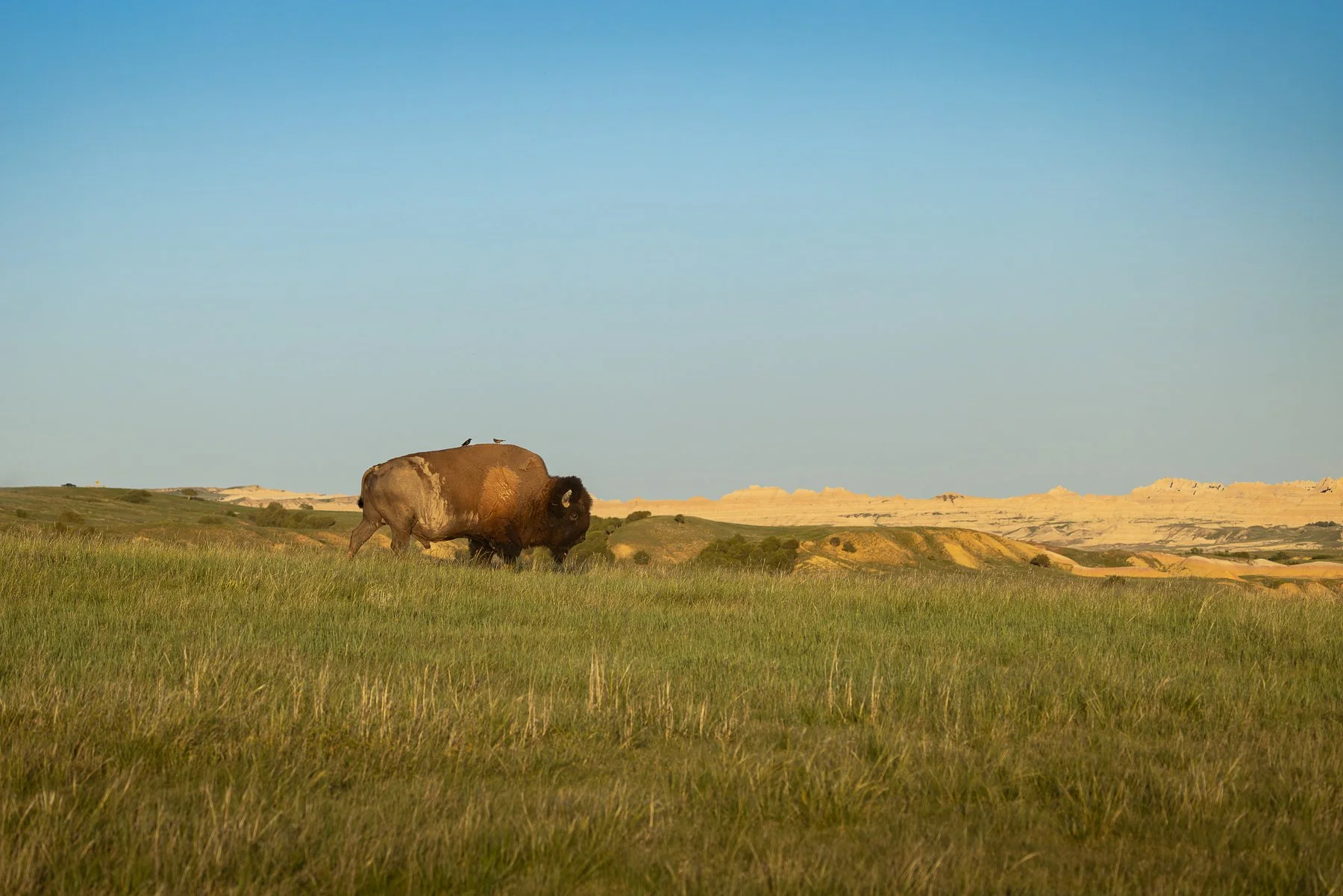
Overall, I love this park as a place to visit as a tourist. It is a unique landscape that I haven’t witnessed at other parks. I always encourage people to take the time to drive through the park. In a photography sense, it depends on a few factors. If you are looking for the badlands backgrounds like I was, then it provides several opportunities to photograph bison and other animals in this landscape. It also has prairie landscape in which you can photograph multiple animals. If you want to photograph bison in large herds, I would probably steer you to Custer State Park. One of the cool parts of Badlands National Park is that it is a site for the conservation of the black-footed ferret. It is my mission to see one in my lifetime.
This is a place I will return to each year for a few weeks to photograph the wildlife and I recommend you visit also.
For more content from me check out my Substack at macturkphotos.substack.com, Instagram at instagram.com/macturkphotos or Facebook at facebook.com/wendy.macturk
Keep exploring,
Wendy
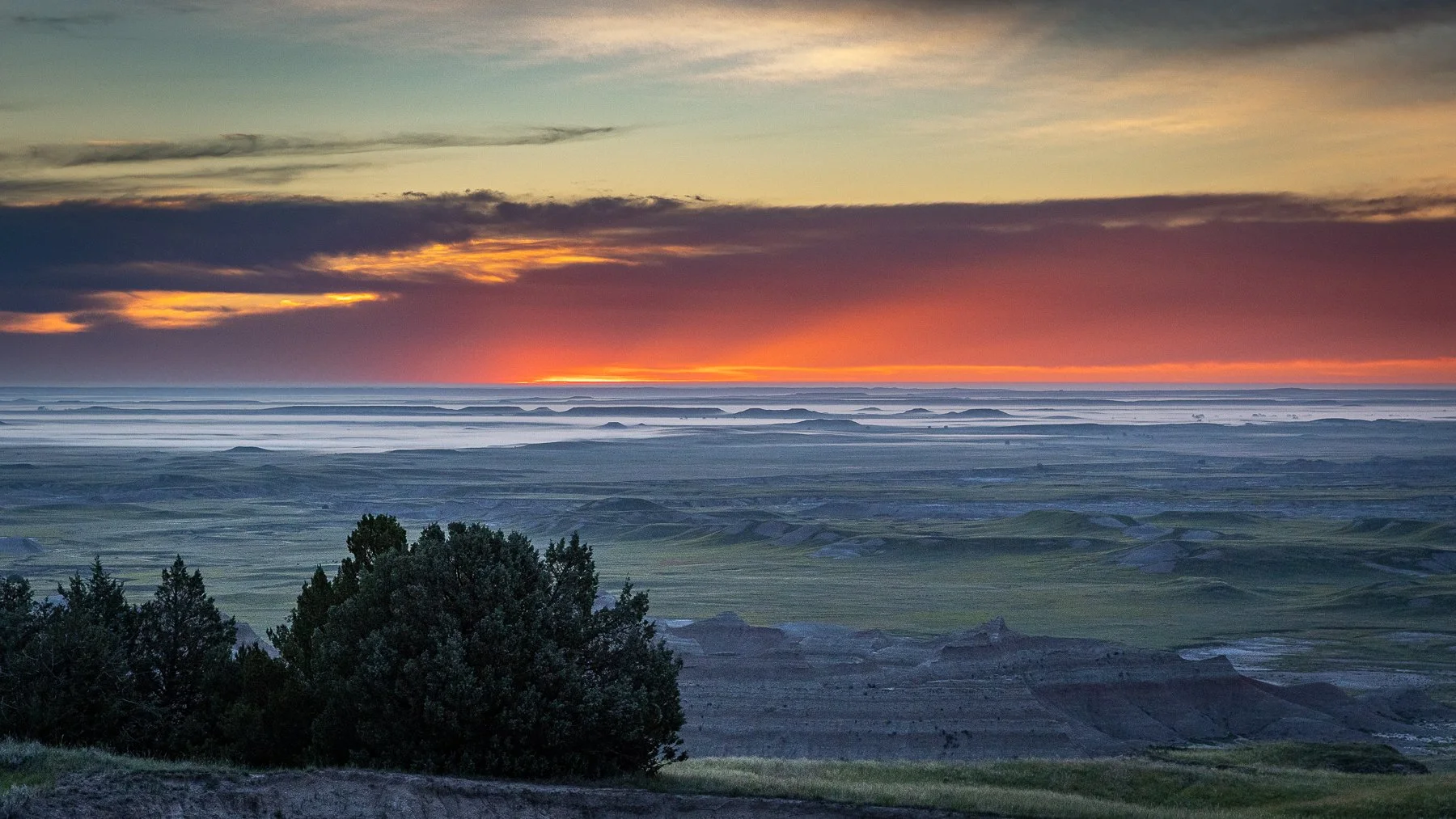
Photo of the Week
I’m currently in a location where I have zero cell service. It is weird. This has never happened to me before, last night there was no scrolling on my phone or playing games. I’m now in a campground that has Wi-Fi so without further ado, here is the photo of the week.
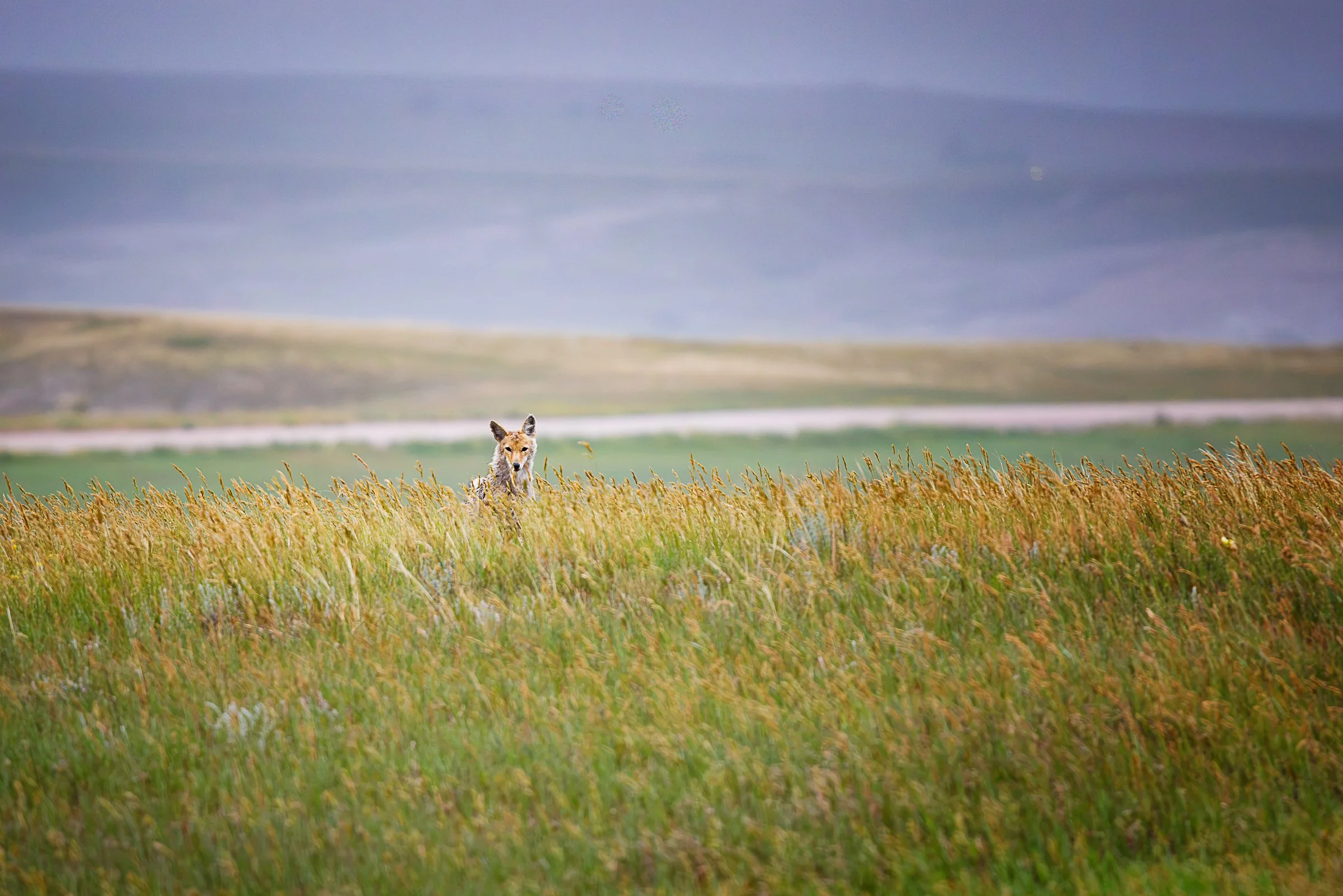
This photo was taken in June 2026 at Badlands National Park. I have seen coyotes in the park before but they were generally far away and moving farther away when I see them. This was an overcast evening with some light rain. This area of the park was pretty empty and this guy was just hanging out pretty close to the road. He was there for at least 15 minutes before he wandered away and I felt honored that he allowed me to take his picture.
For more content from me check out my Substack at macturkphotos.substack.com, Instagram at instagram.com/macturkphotos or Facebook at facebook.com/wendy.macturk
Keep exploring,
Wendy
Prep day
Today was a day spent prepping to hit the road tomorrow. I’m headed north towards Glacier National Park where I will spend a week generally with no cell service. I am staying at a campground that has Wi-Fi but that doesn’t always function how I would like. Hopefully, I will still be able to post daily but I can’t make any promises. This area is absolutely gorgeous and I have been looking forward to this for months. Here is a picture I took yesterday
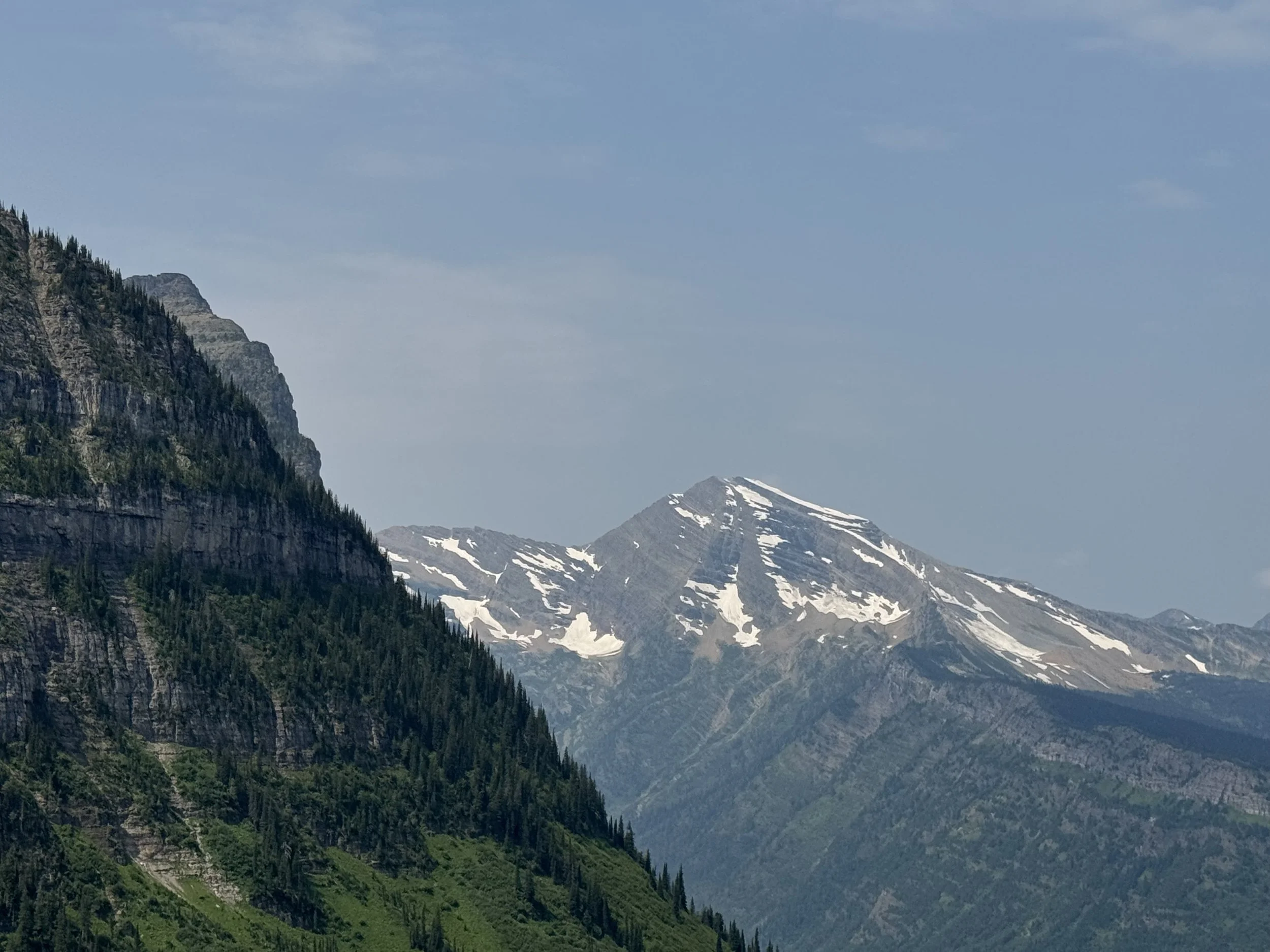
I have no words to describe the beauty. Stay tuned for more photos.
For more content from me check out my Substack at macturkphotos.substack.com, Instagram at instagram.com/macturkphotos or Facebook at facebook.com/wendy.macturk
Keep exploring,
Wendy
How do you picture Montana?
If I asked you to picture Montana what would that look like? How would you describe it to me? Would it look like this?
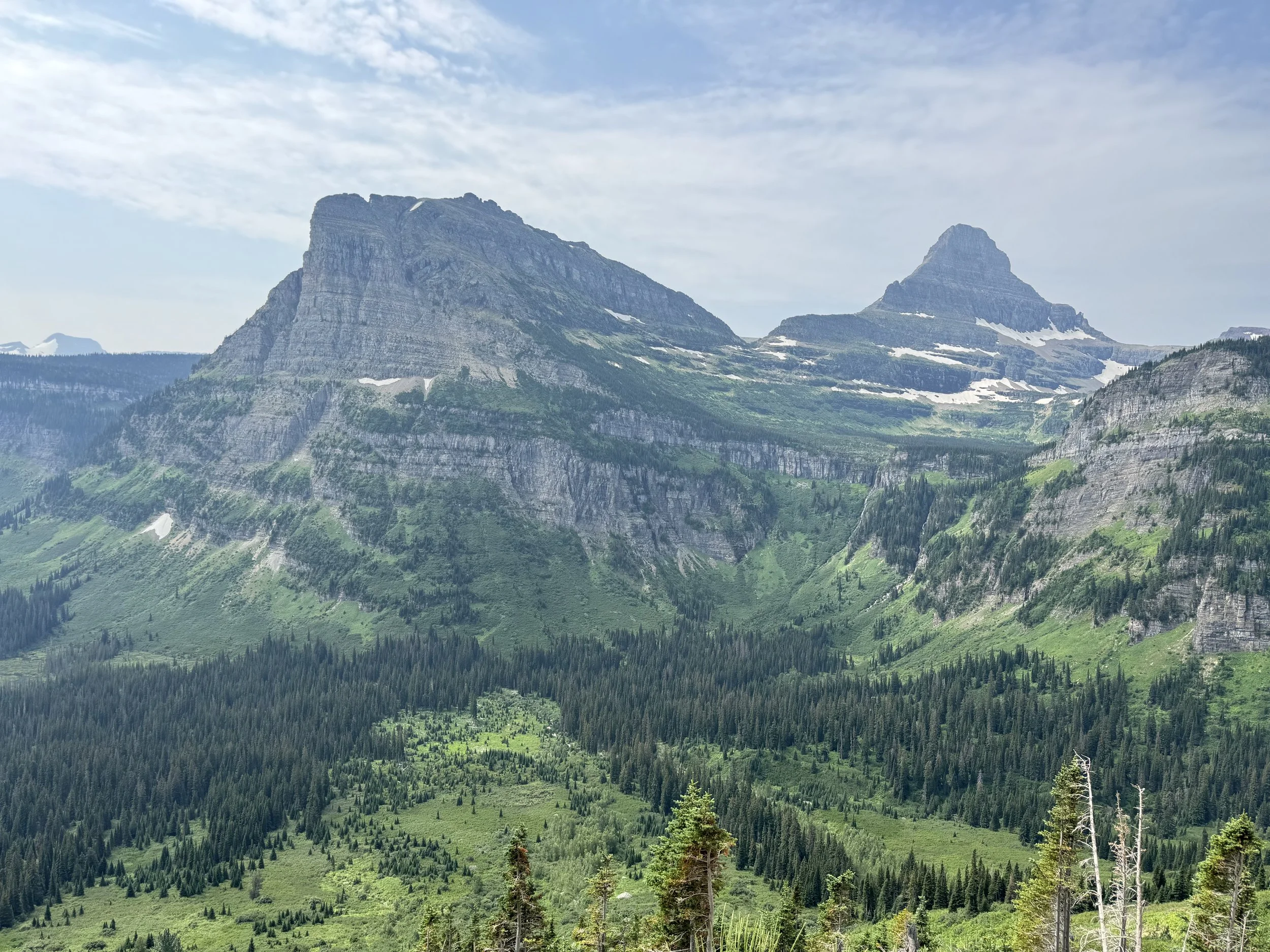
How about this?
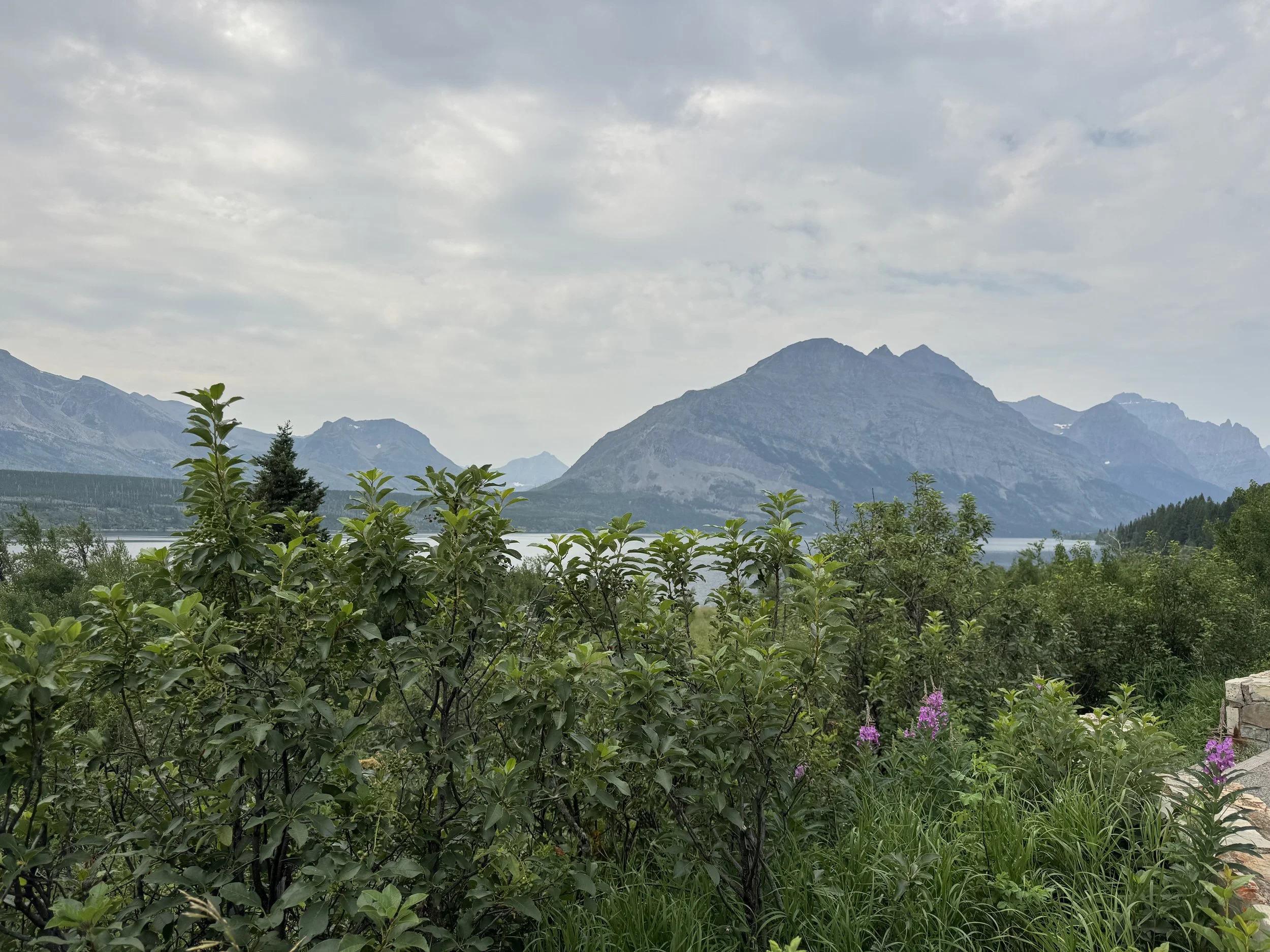
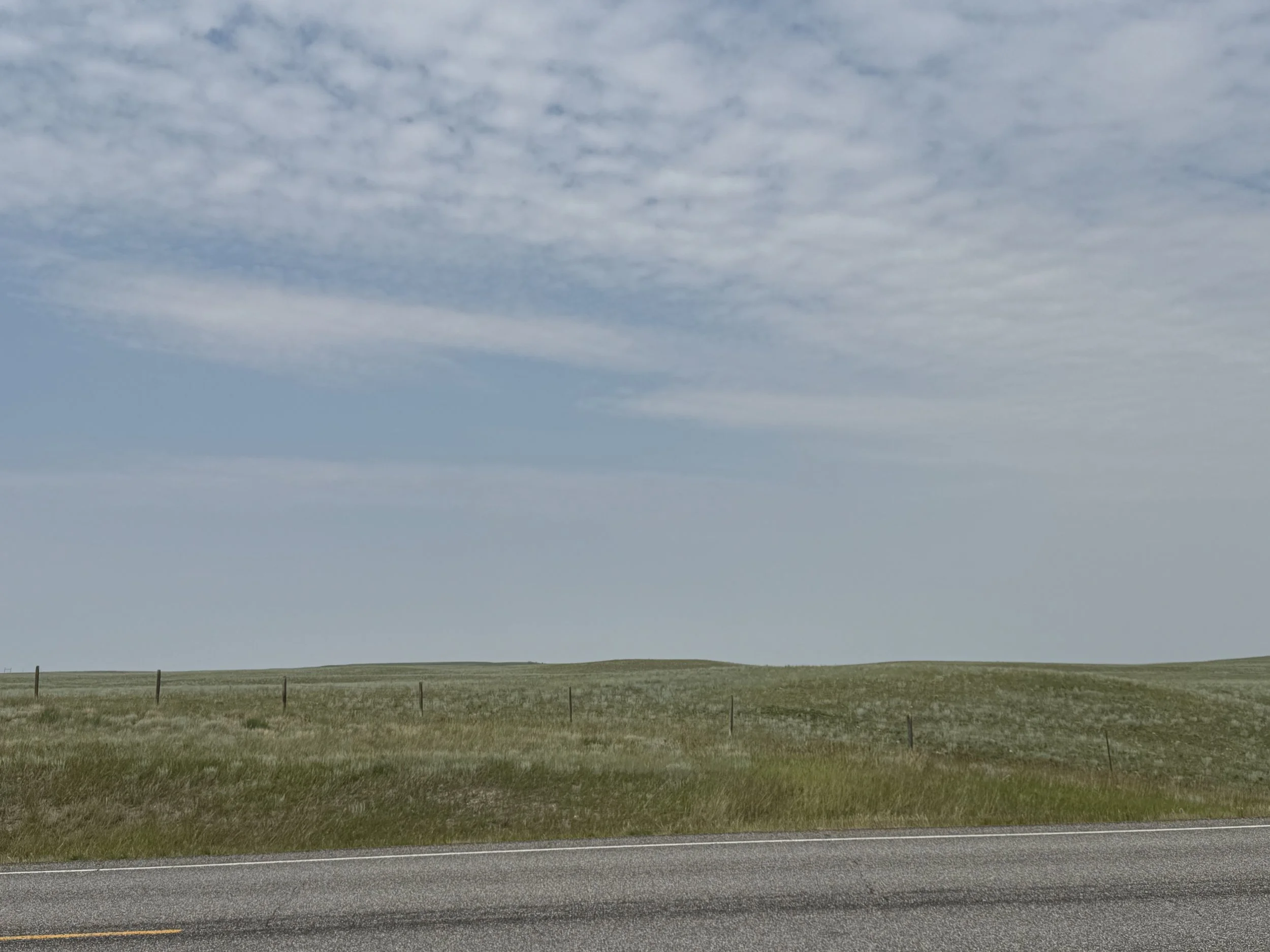
I took both of these pictures today at Glacier National Park. This is what I thought all of Montana looked like but I was wrong. I drove hundreds of miles and all I could see were grassland and farmland. As far as the eye could see were these enormous opens spaces.
I also saw lakes and rivers.
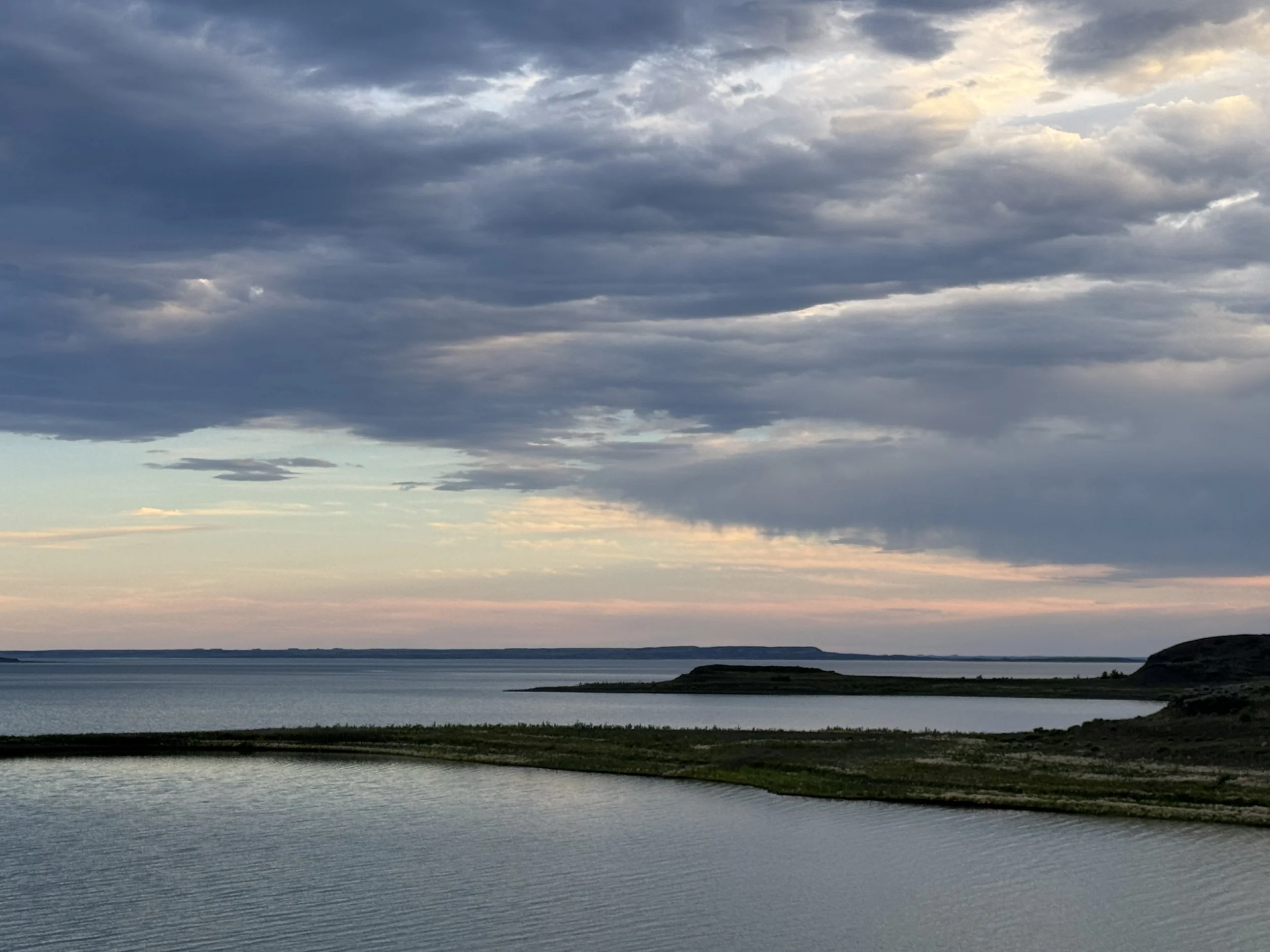
There is so much beauty in this state beyond the mountains. Every one should check it out.
For more content from me check out my Substack at macturkphotos.substack.com, Instagram at instagram.com/macturkphotos or Facebook at facebook.com/wendy.macturk
Keep exploring,
Wendy
Travel Day
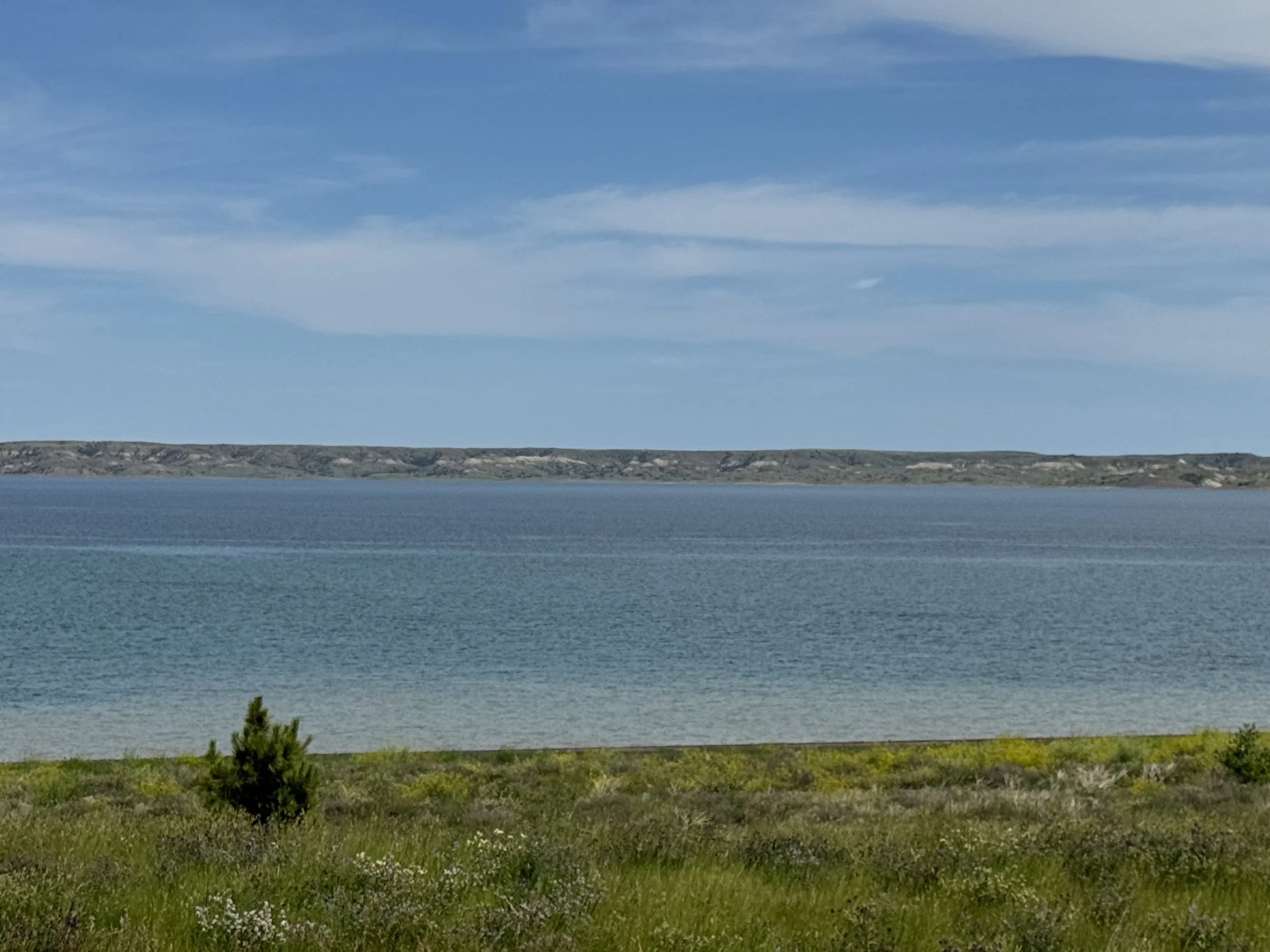
Today was a travel day as I left Fort Peck and drove to Great Falls MT. It was a beautiful drive. There were grasslands and water as far as the eye could see. Sorry, no pictures from the drive. Here is one from Fort Peck.
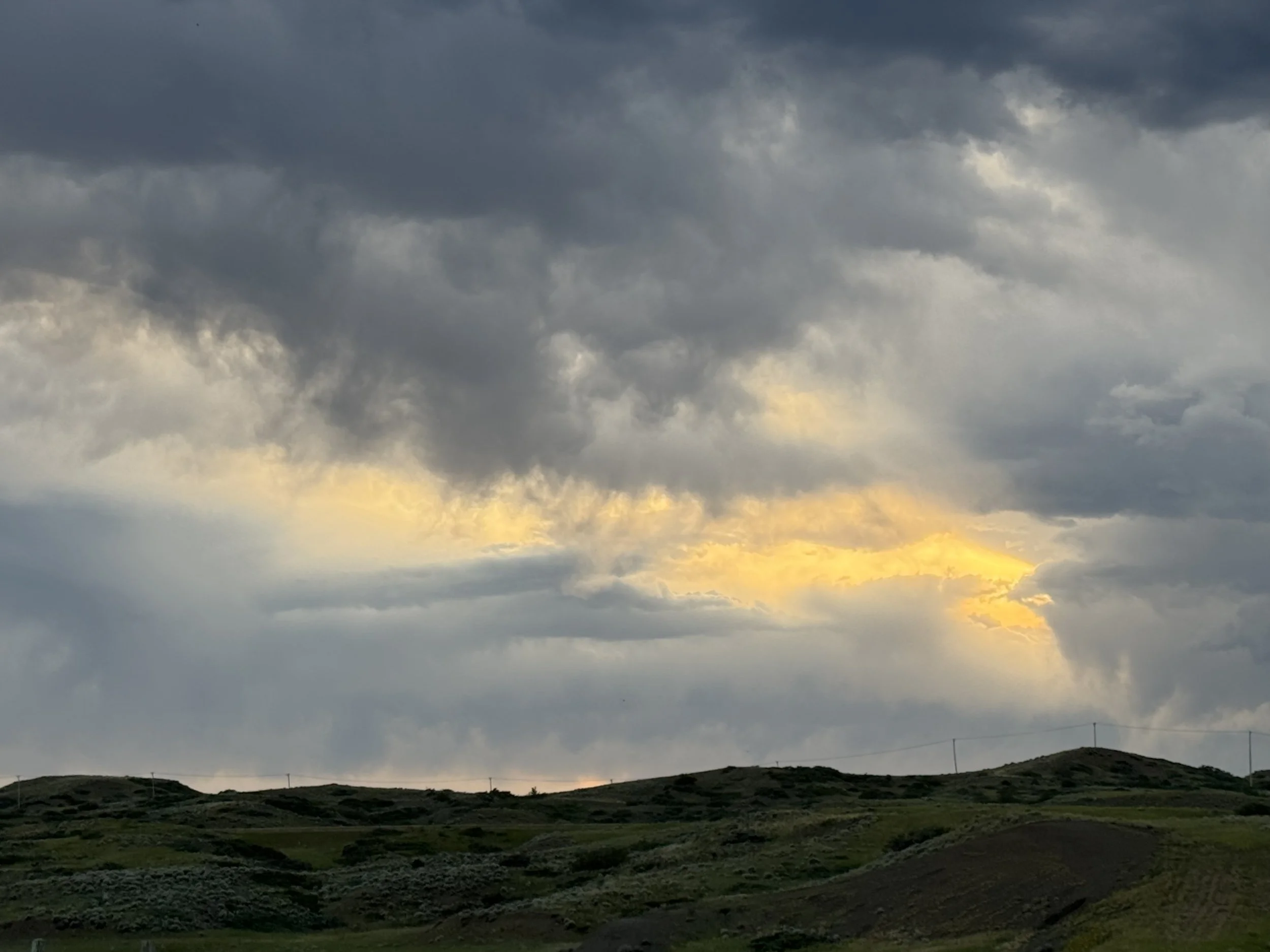
Have a great week
For more content from me check out my Substack at macturkphotos.substack.com, Instagram at instagram.com/macturkphotos or Facebook at facebook.com/wendy.macturk
Keep exploring,
Wendy
Photo of the Week
Burrowing Owl (Athene cunicularia)
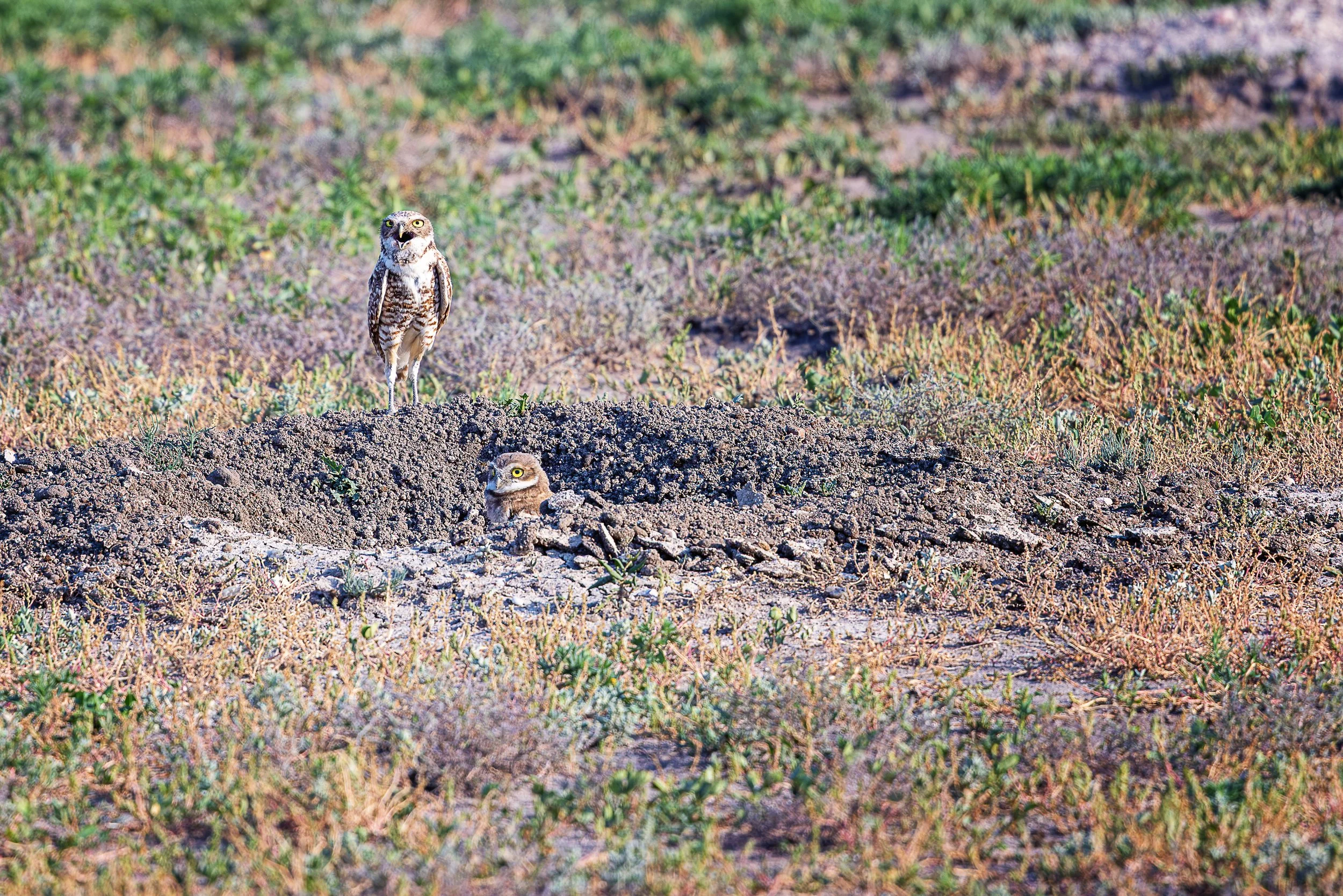
They are native to the open landscapes of North and South America. They are typically found in grasslands, rangelands, agricultural areas, deserts, or any other open, dry area with low vegetation. They use borrows generally created by other animals as their home. Cool fact, the females are usually larger than the males. It’s the yellow eyes that gets me every time.
For more content from me check out my Substack at macturkphotos.substack.com, Instagram at instagram.com/macturkphotos or Facebook at facebook.com/wendy.macturk
Keep exploring,
Wendy
Fog is beautiful
I headed down by the river today and it was foggy.
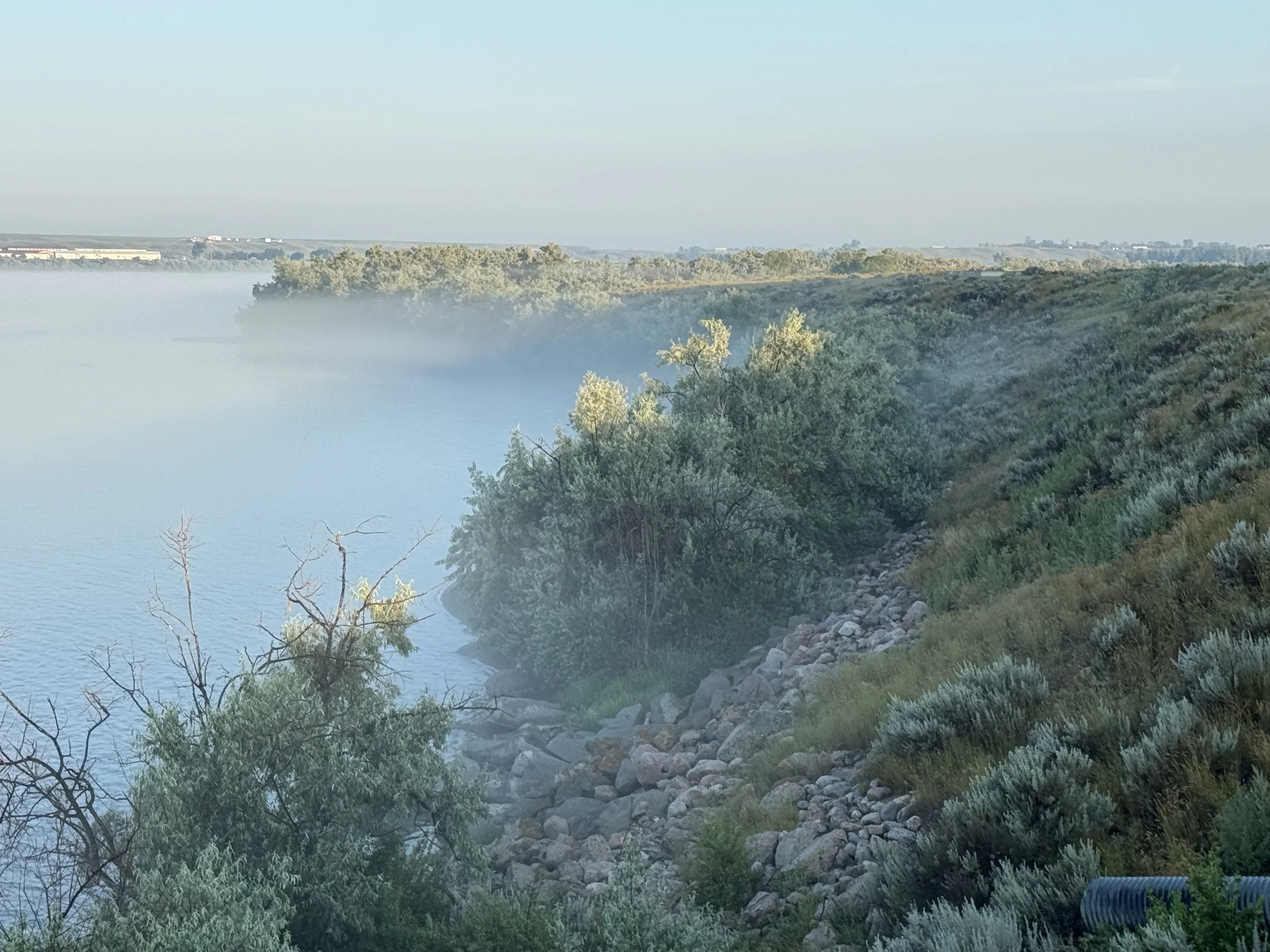
It was also incredibly beautiful. I was there to photograph the pelicans again. I was there for over a hour just watching the fog roll in and out. It would wash over the birds to the point you couldn’t see them and then wash away so they were visible again.
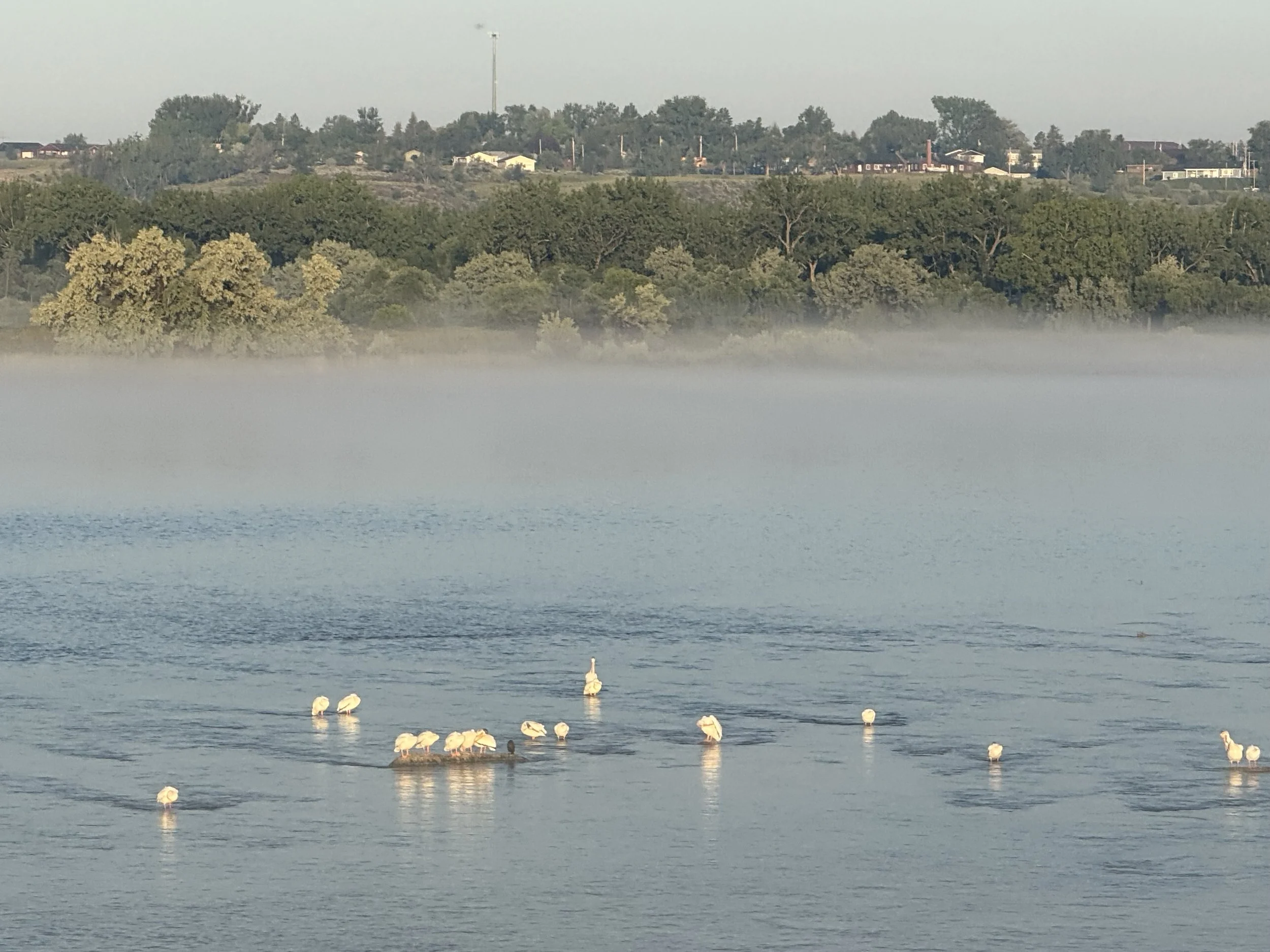
I will be heading further west in Montana next week but in the meantime, I’m going to enjoy my time near the water.
For more content from me check out my Substack at macturkphotos.substack.com, Instagram at instagram.com/macturkphotos or Facebook at facebook.com/wendy.macturk
Keep exploring,
Wendy
Editing photos
I decided today I would edit photos. This is my least favorite part about photography. I love being outside in nature and making photos but when it comes to editing I just don’t like spending the time. It is important to do the editing. I’m getting a pretty good workflow for the process but I struggle to motivate myself.
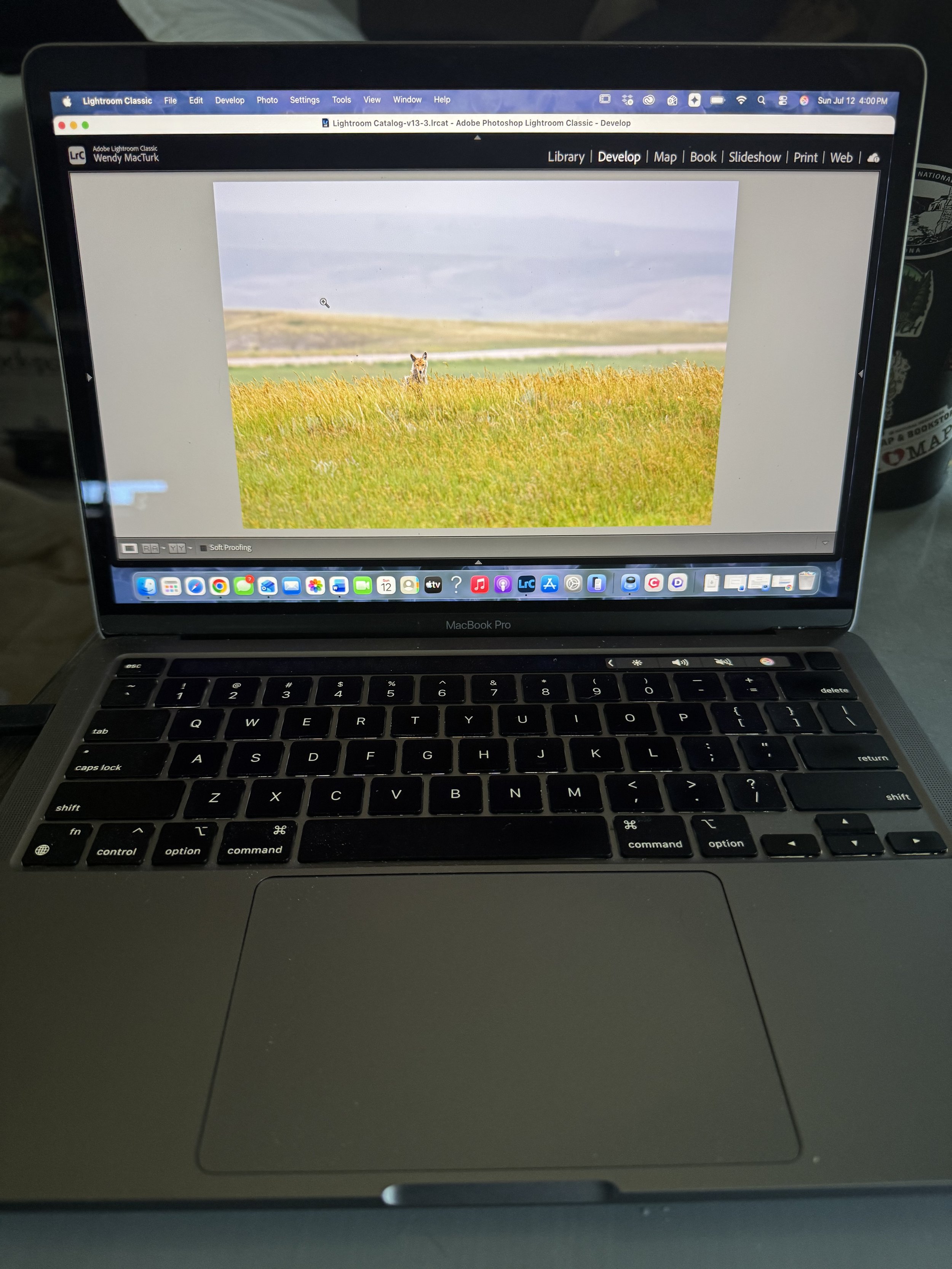
I have basically been procrastinating all day and now the day is over and I haven’t completed anything. So, I’m going to feed the dog and sit down with the goal to completely edit a minimum of three photos tonight. Wish me luck.
For more content from me check out my Substack at macturkphotos.substack.com, Instagram at instagram.com/macturkphotos or Facebook at facebook.com/wendy.macturk
Keep exploring,
Wendy
Back at it
The heat wave has sort of broken. I mean it was only 91 degrees down from 106 degrees a few days ago. Even better it was cool this morning so I headed out to photograph the pelicans near the dam. It was a beautiful morning. I will probably go out again tomorrow.
For more content from me check out my Substack at macturkphotos.substack.com, Instagram at instagram.com/macturkphotos or Facebook at facebook.com/wendy.macturk
Keep exploring,
Wendy
Junior Ranger
One of the coolest things about visiting national parks and other national sites is their junior ranger program. Go into a visitor center and ask a ranger to take part in the program. What a great way to get kids involved in learning about each site. Even better, they often let big kids like me participate. You get a nice workbook to complete activities. regarding the site you are visiting. You then bring it back to the the visitor center, take a pledge and get your junior ranger badge. While here in Fort Peck, I stopped in the interpretive center to look around and ask questions about the area (no surprise there). They had several different “activities” for kids. I picked up the Jr. Paleontology worksheet and completed it. When I was talking to the volunteer, she said I could do the Junior Ranger book also and I jumped at the chance. This particular site is part of the Lewis and Clark National Historic Trail so the workbook centered around this trail. I took it home with me and completed the workbook. I stopped in again today and got my badge.
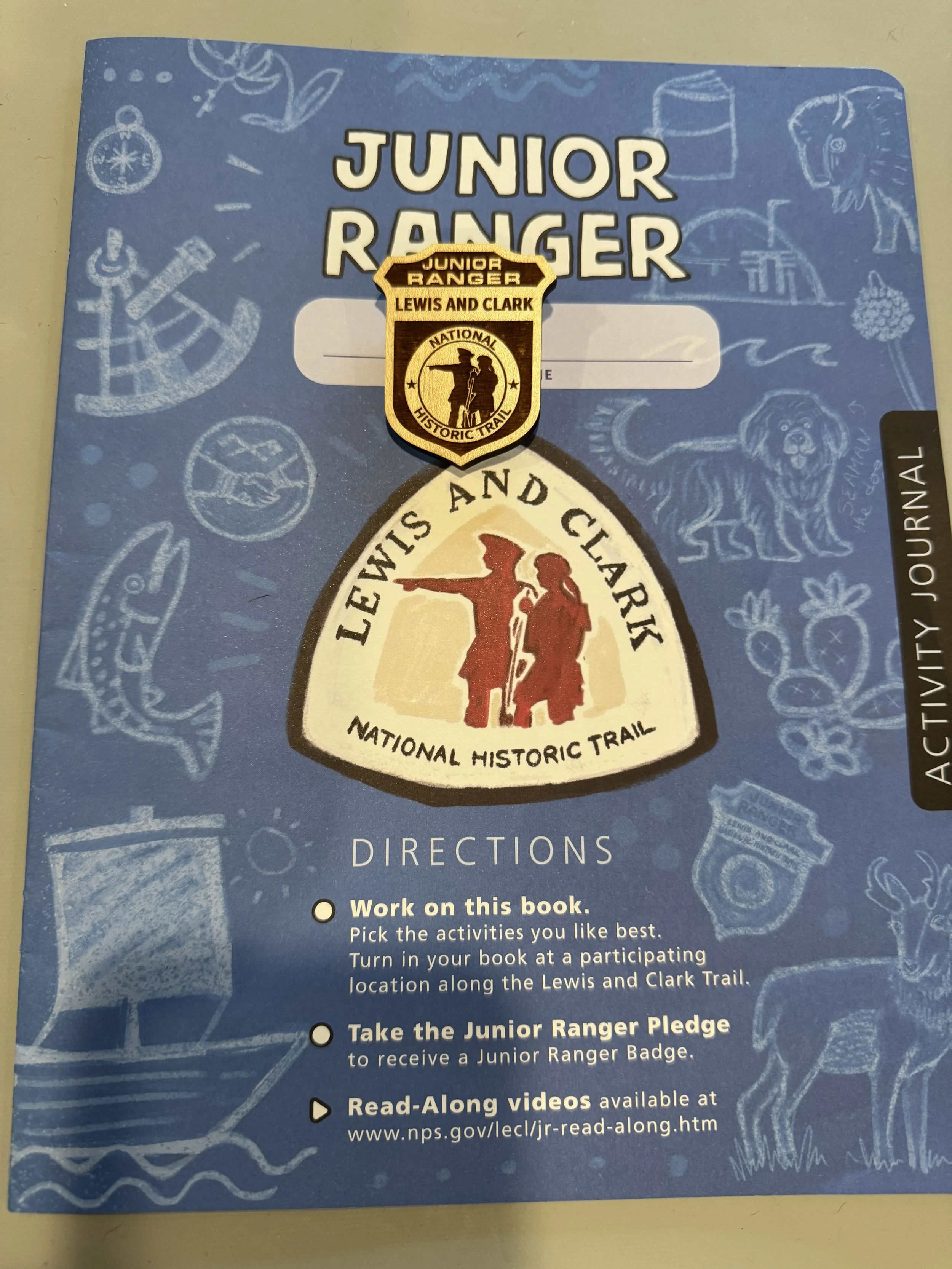
I encourage everyone, whether traveling with or without kids, stop and talk to the volunteers and rangers at the places you visit. You never know what fun things you might find.
For more content from me check out my Substack at macturkphotos.substack.com, Instagram at instagram.com/macturkphotos or Facebook at facebook.com/wendy.macturk
Keep exploring,
Wendy
Photo of the Week
Here it is……..
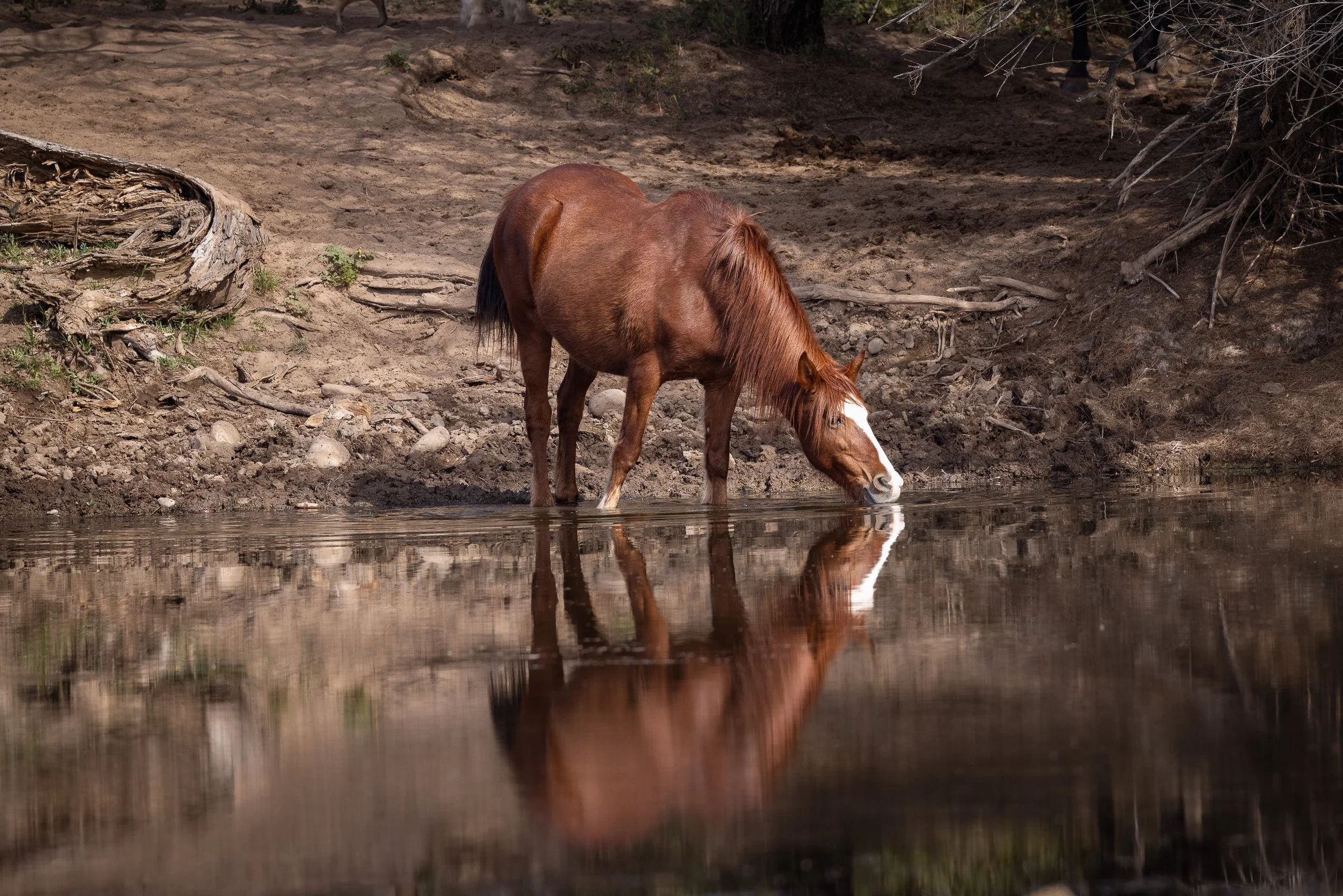
This photo was taken in February at the Salt River in Arizona. I always find such peace at the river when the horses are there. These creatures remain under threat of removal from the government. We must protect them.
It’s a heat wave.
It’s hot here and only getting hotter over the next few days. I have to admit, I don’t like extreme heat. Most wildlife doesn’t like extreme heat either. What does that mean for photography? Getting up early, before sunrise, when the air is a bit cooler. This is when the wildlife will be most active. It is also a very peaceful time of the day. Normal people don’t get up that early. Wish me luck.
Check back for the Photo of the Week tomorrow, you won’t be disappointed.
Keep exploring,
Wendy