Developing Stories Images and insights from life on the road
South Dakota
I always try to stop a few places when I’m here in the Black Hills of South Dakota. Custer State Park is one place and the Crazy Horse Memorial is the second. It is located between Hill City and Custer, SD on SD HWY 16/385. The Crazy Horse Memorial Foundation is a nonprofit whose mission is to protect and preserve the cultures, traditions, and living heritage of all North American Indians. After the 1939 World’s Fair, sculptor Korczak Ziolkowki (1908-1982) was invited by Chief Henry Standing Bear to the Black Hills to carve Crazy Horse. He did not immediately agree but after some time he accepted. He along with his wife Ruth Ross (1926-2014) raised 10 children who took part in this dream. Some of his grandchildren carry on the project today.
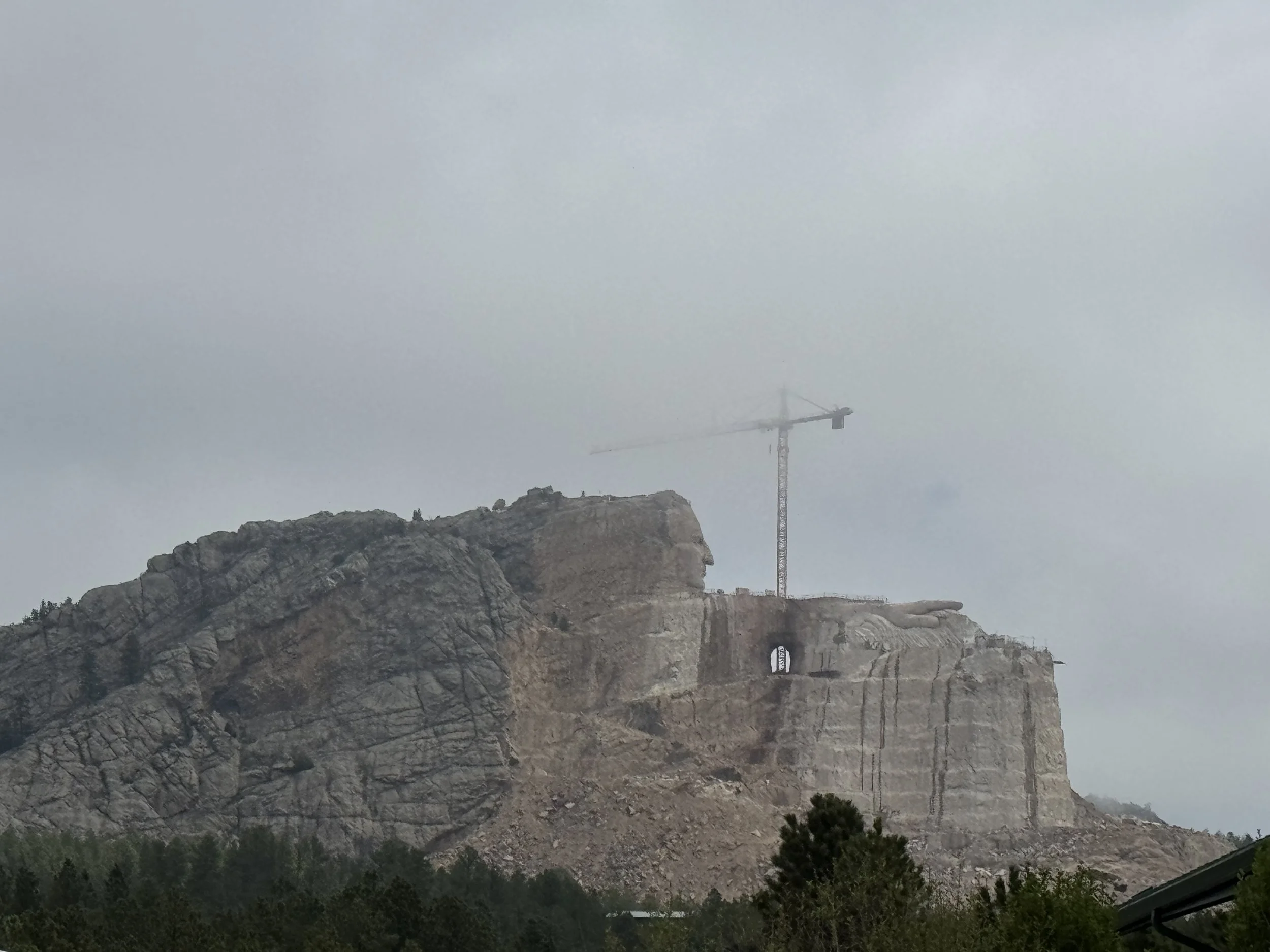
It was a cloudy day with the mountain completely fogged in when I arrived
Work officially began June 3, 1948. The first several years were spent building roads, house for Korczak, and staircase with over 700 steps to the top. The face which is the most recognizable feature to date was not completed until 1998. With modern equipment, the speed has picked up but it is still tedious work. Korczak knew it would not be completed in his lifetime but he vowed to work for as long as he could. His drawings and surveys are still used today as construction continues.
The project, The Indian Museum of North America, and The Indian University of North America are privately funded by donations and admissions to the complex. The sculpture itself is about a mile from the main complex buildings but they offer a bus ride to the base of the mountain for a small fee. If you visit, the trip to the base is worth the fee (I think it’s $5). It is an incredibly beautiful site and you might even see some mountain goats who like to hang out in the area.
To learn more about the memorial or make a donation, visit their website at crazyhorsememorial.org
“Never Forget Your Dreams.” - Sculptor Korczak Ziolkowski
To see more content from me, check out my Substack, Facebook and Instagram at the links below. You can also sign up for my newsletter.
The Mammoth Site
Today I headed to Hot Springs SD to visit The Mammoth Site. This is an active paleontological research site and museum preserving Ice Age fossils in their original location. More than 60 mammoths have been discovered at this site, mostly Columbian mammoths but there are at least two woolly mammoths discovered so far. The fossils date back date back approximately 190,000-140,000 years to the late Ice Age. The Mammoth Site was discovered in 1974 during a construction project in Hot Springs, South Dakota. Workers uncovered large bones that were later identified as mammoth remains. The discovery led to the development of the site as a research and museum facility. The Mammoth Site formed in a prehistoric sinkhole that filled with warm water from area hot springs, creating a natural trap. Mammoths and other animals entered the area and were unable to escape. Over time, their remains accumulated and were preserved in sediment. The dig site is completely indoors and can be visited at any time during the year.
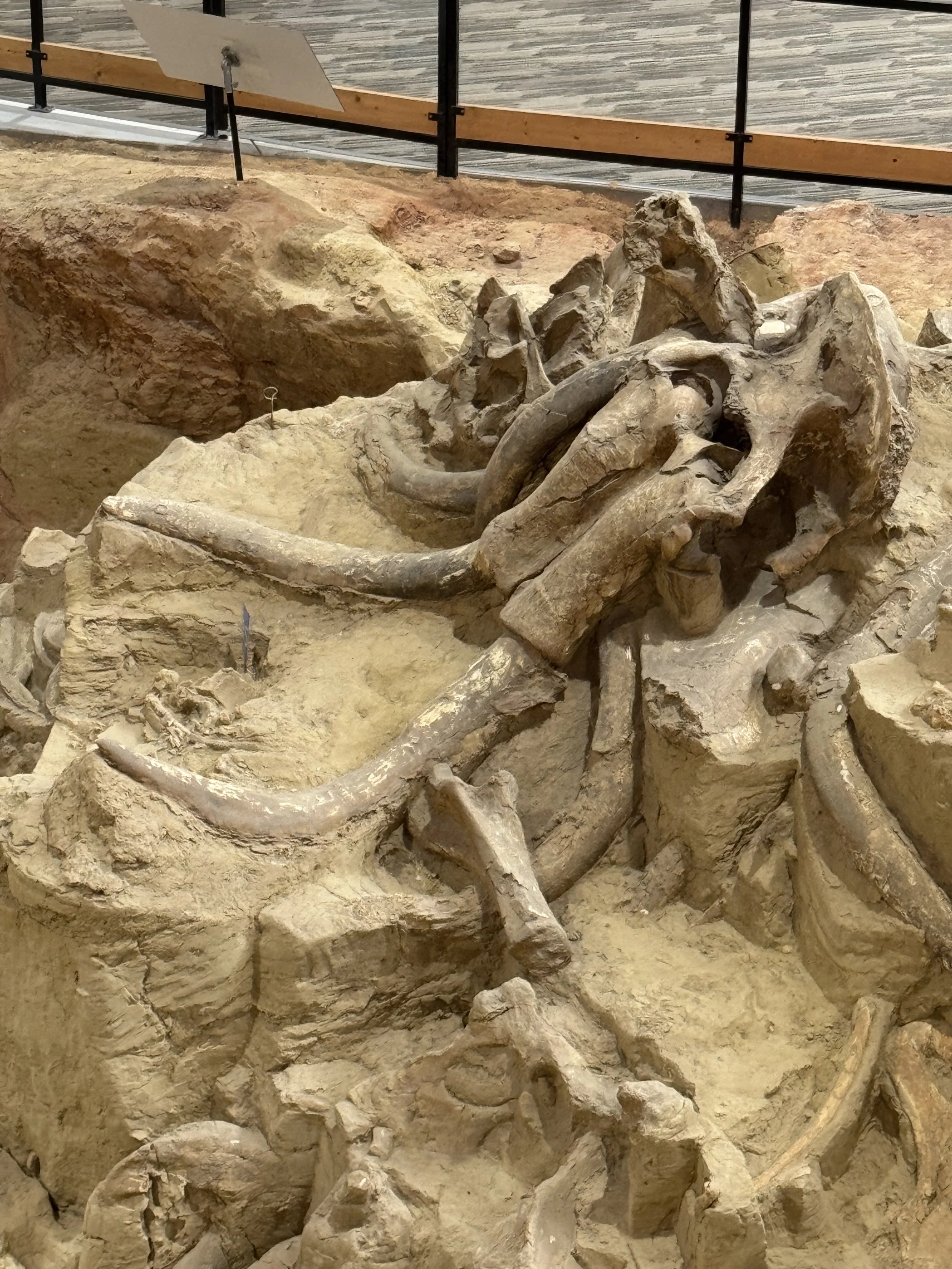
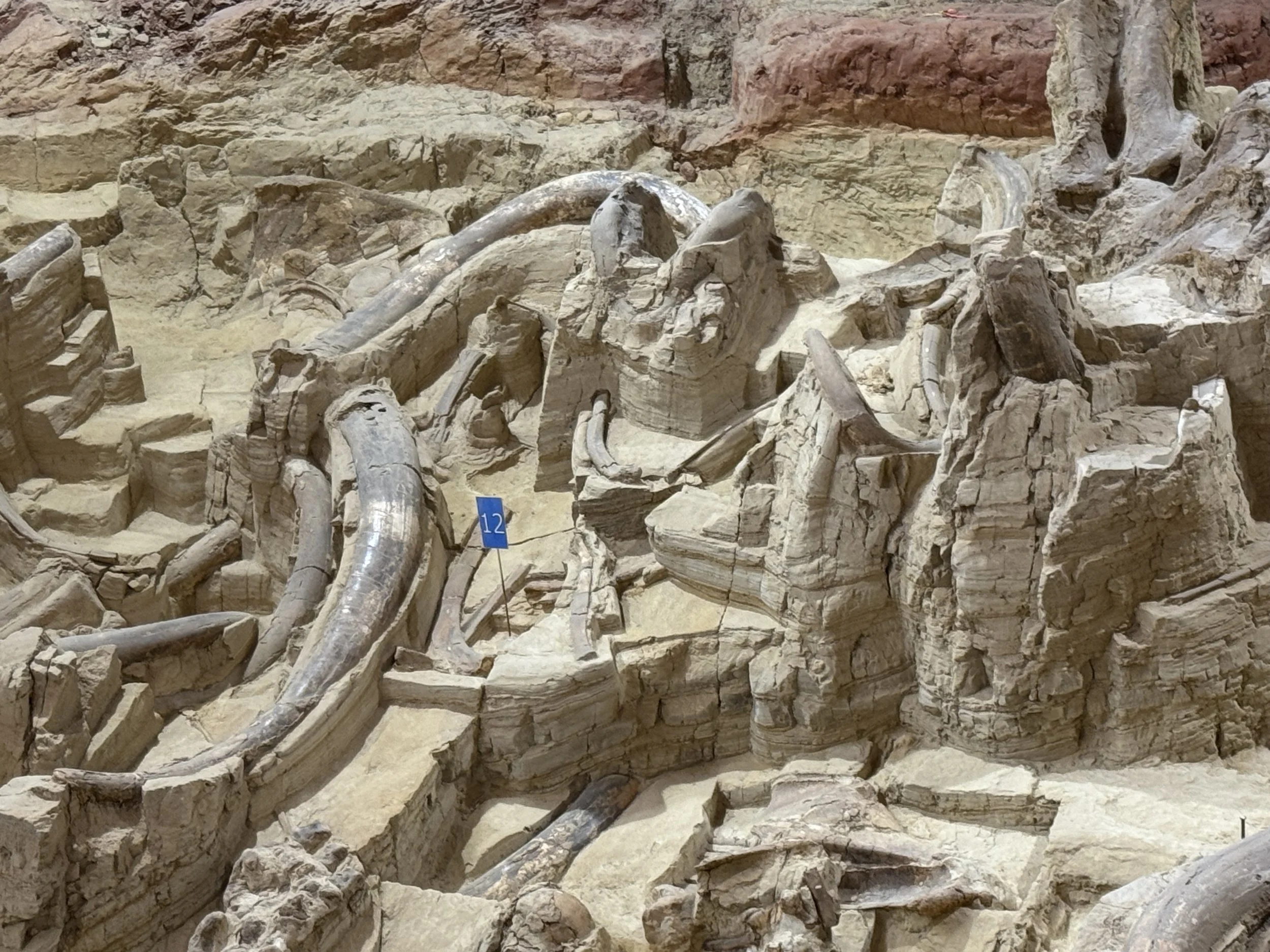
The site is active with paleontologists working to uncover additional bones
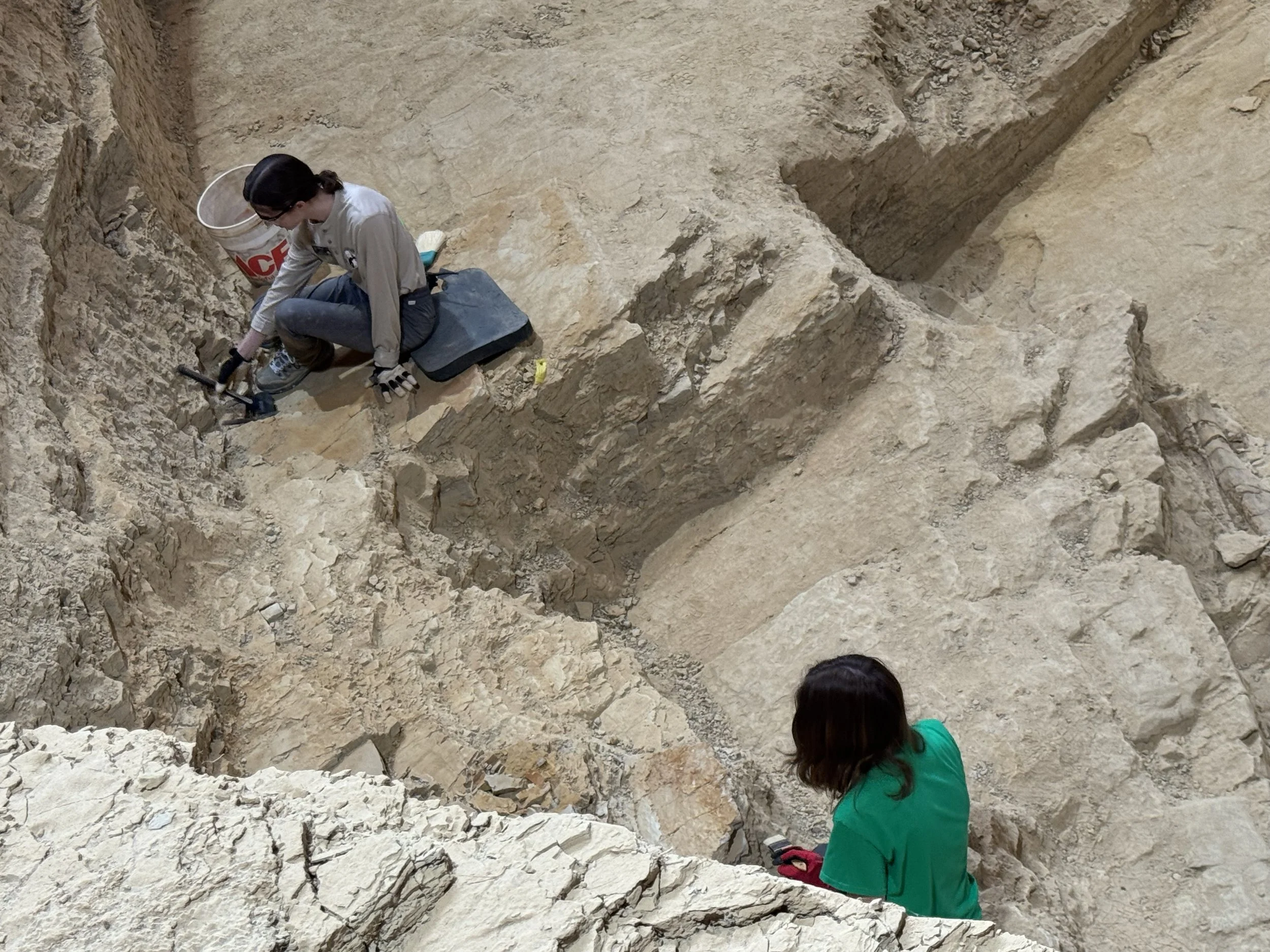
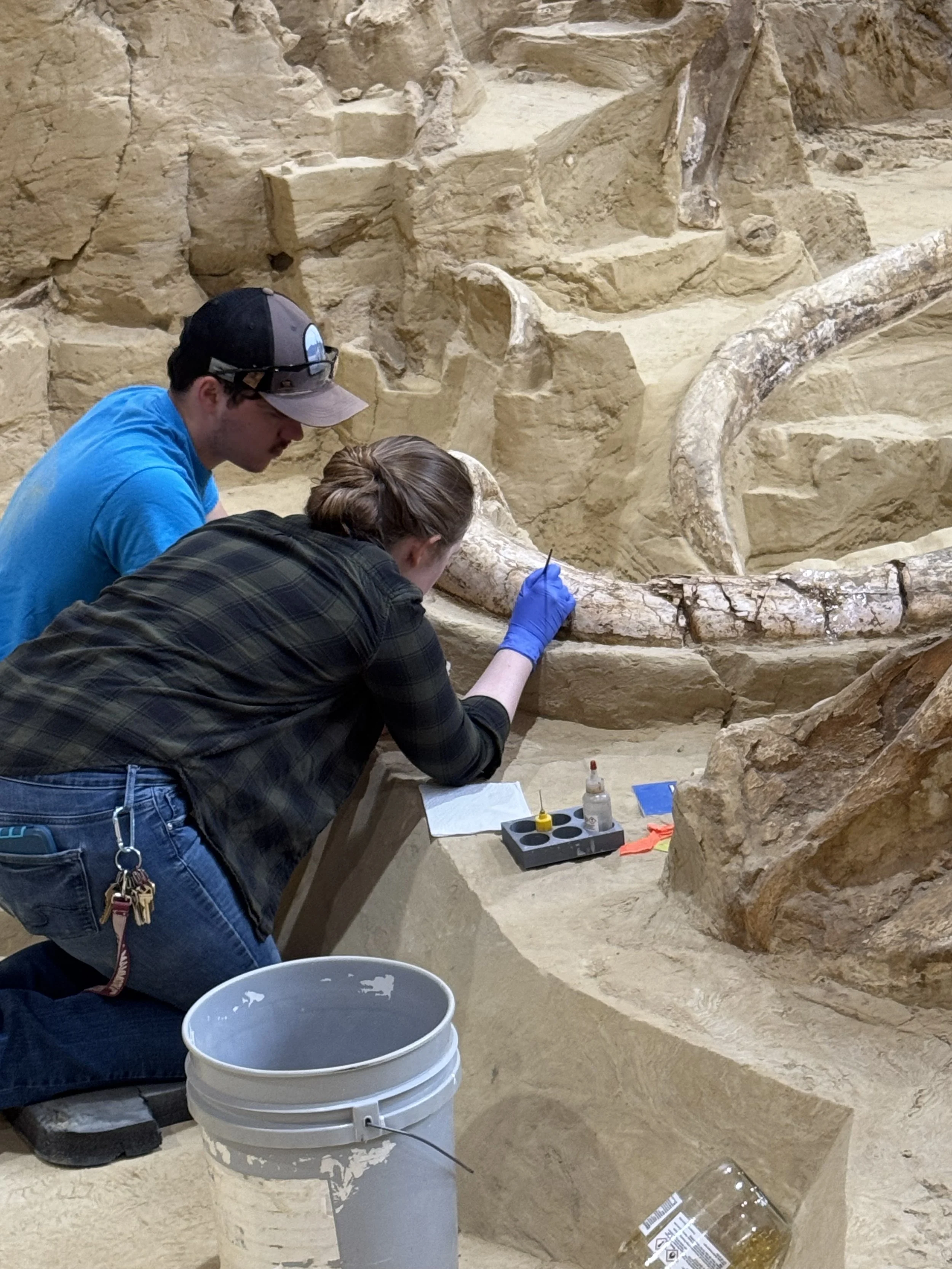
This is definitely worth the visit especially if you are interested in fossils and the Ice Age. The dig site is the main attraction but there is a museum attached. I thoroughly enjoyed my time walking around. Be sure to scan the QR codes for short audio explaining what you are seeing in each area. Check back tomorrow when I tell you about the wild horse sancturary I stumbled across on my visit to Hot Springs.
If you enjoy this post, check out my Substack link below for more content.
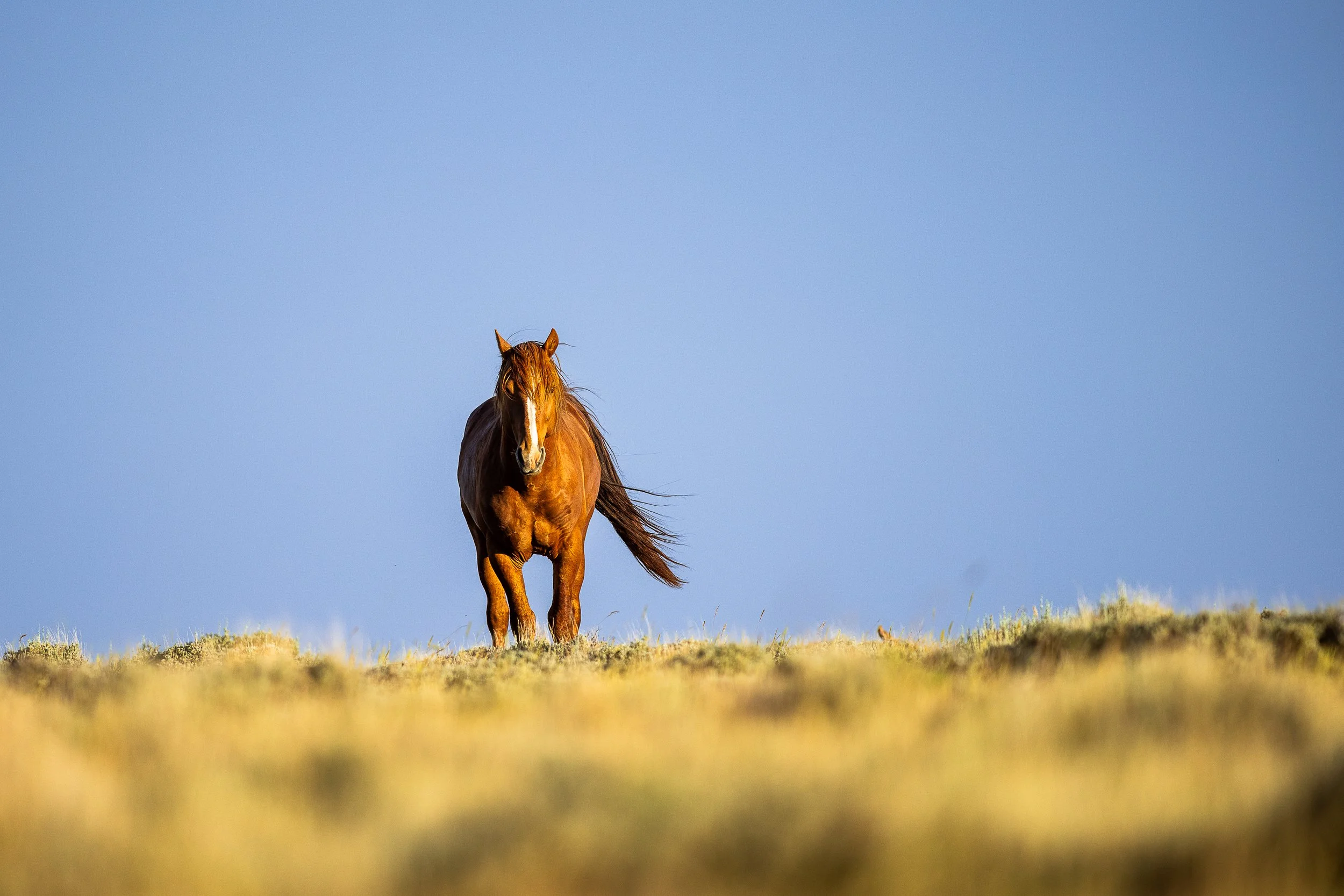
Photo of the Week
This photo was part of my 2026 calendar. I plan on making a 2027 calendar that will be up for sale just in time for Christmas. Look for it later this year.
Getting ready
Wildlife photography starts early in the morning, I mean really early. Before sunrise early. Tomorrow I’m planning a sunrise shoot at Custer State Park in SD. I try to have as much preparation completed today so I’m ready to hit the road early. What does that mean? Well, lets start with my equipment. I need to make sure all my camera batteries are charged. Fresh and formatted SD cards are ready to go in my camera(s). I check to make sure I have all the lenses I plan on using cleaned and in my camera bag. I determine if I will be using a tripod, monopod or ground pod and have them ready to go. I make sure everything is loaded in the truck the night before to save time in the morning.
I review the location I will be going. I have been to Custer State Park several times. I review my notes from my prior trips. I determine when sunrise will be, travel time to park so that I know how early I need to set an alarm. I have been reviewing the weather for a few days but continue to check back to see if there have been any changes in the forecast. If needed, I pack additional clothing and/or rain gear for the trip. If it is a new place, I will review online maps and determine the areas I think will be the best to photograph. If I get the chance, I might even do a scouting trip during the day before to pick out good locations. I make sure to have snacks and hydration ready to grab and go in the morning. The key is to be efficient and not forget anything
Lastly, I review what wildlife I anticipate seeing and/or what wildlife I am targeting for photos. I review my field journals regarding each species behaviors, ideal ecosystems and any other observations I have made in the past or gleaned from other photographers. This is key for me. I want to be able to anticpate what an animal may do so that I cam be positioned to photograph them. Since I’m still learning, I definitely don’t always get this part right but each time out is a learning experience.
I’m excited to get down there. I should definitely see bison, prairie dogs, and pronghorn. The wild burros are fun to photograph if you can find them. I have also observed mule deer and an occasional elk.
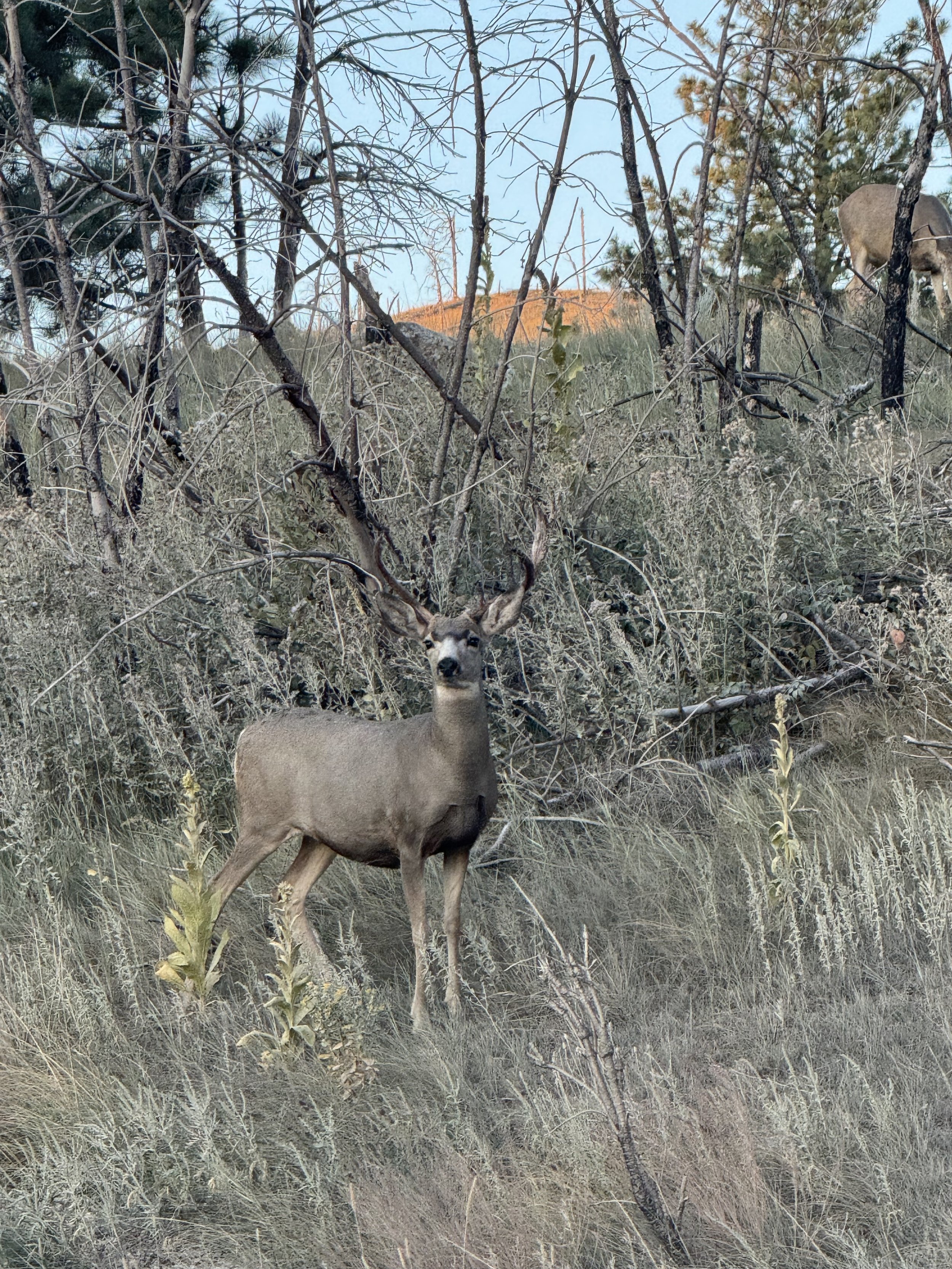
Mule deer captured with my Iphone at Custer State Park in 2025
The excitement will make it hard to sleep tonight but it will all be worth it tomorrow.
If you would like to see more content from me, check out the links below to my Substack, Facebook, and Instagram.
Theodore Roosevelt National Park
There are 63 National Parks in the US system. I am not an expert on the National Parks by any means, but I have visited 12 to date with the hope of visiting all 63. Some I have spent several days; some I have spent mere hours. I am a wildlife photographer. I will not be telling you the best hikes to take. I only hike when I need to and as short a distance as possible. I will be discussing the history of the parks, wildlife present and general vibe when visiting. There are hundreds if not thousands of people online that can tell you more about hiking in National Parks. I am not the person for this, but I hope you stick around for my unique, nerdy review of the parks.
Theodore Roosevelt was one of the most influential conservation leaders in US history. Named in honor of the 26th president, Roosevelt credits his time in North Dakota after the death of his wife and mother on the same day (1884) with preparing him for his presidency. He later said that he “would not have been President” without his time in the North Dakota badlands.
In 1947, President Truman signed legislation creating the Theodore Roosevelt National Memorial Park. It was the only “National Memorial Park” ever in the US system. It was redesignated to a National Park in 1978.
The park consists of three separate “units”
1. The South Unit (Medora)
2. The North Unit (Watford City)
3. The Elkhorn Ranch Unit (heart of Roosevelt’s ranching years)
The entire park totals about 70,450 acres, with the Sout Unit being larger and more developed. I have visited this park twice. In August of 2024, I visited the North and South Units on separate days as they are approximately 70 miles apart. In May 2026, I visited the South Unit only. I have not visited the Elkhorn Ranch Unit.
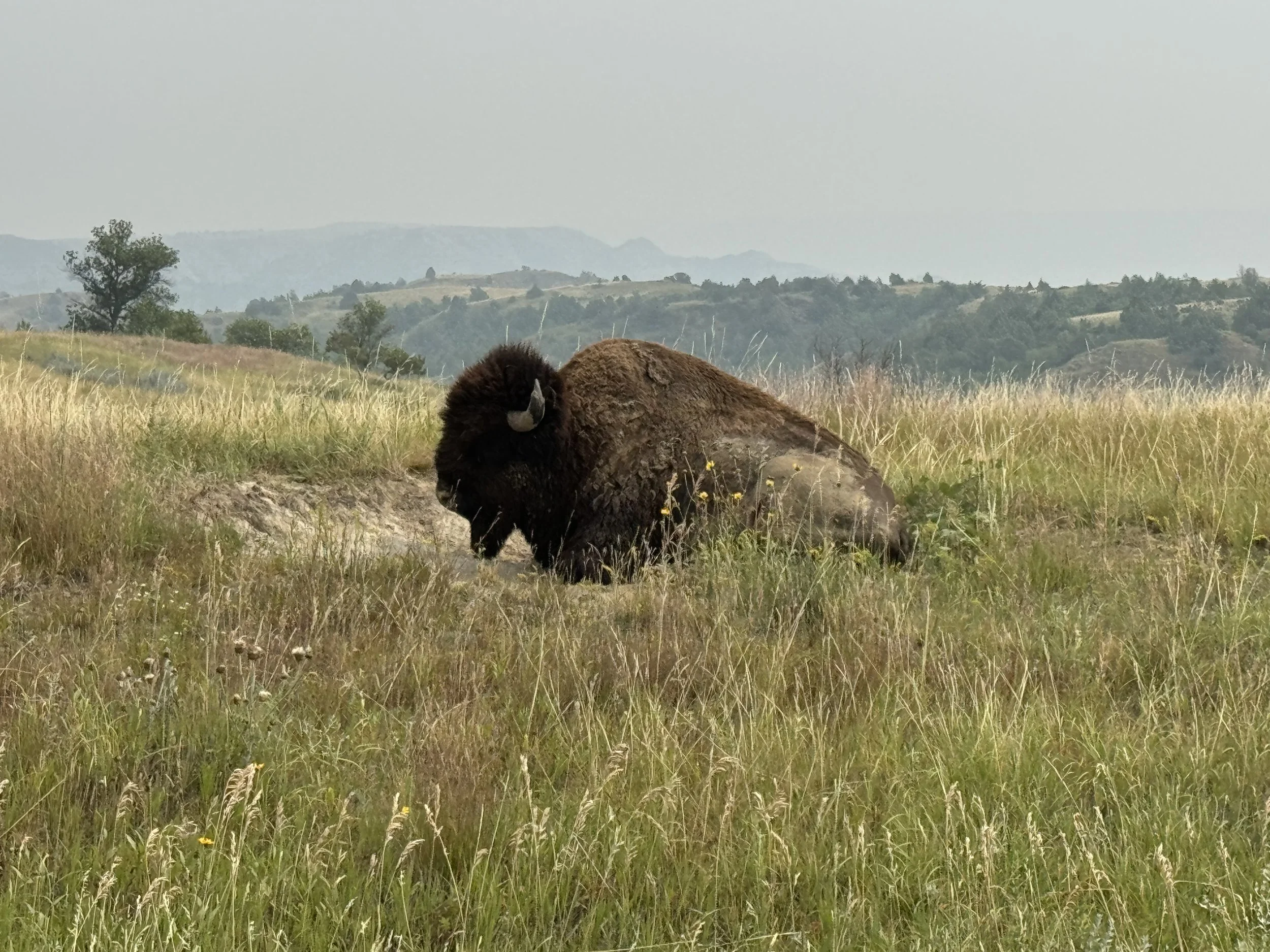
Bison chilling along the roadside in the North Unit
Let’s discuss the North Unit first. It is smaller, more rugged and receives fewer visitors. It has a 28 mile out and back scenic drive. Some things to explore are Cannonball Concretions, River Bend Overlook, Oxbow Overlook, Sperati Point and Caprock Coulee Loop. Of the five hiking trails, Little Mo Trail (easy) and Caprock Coulee Nature Trail (easy to moderate) are the two with the least elevation gain. I recommend checking out the cannonballs which are a geological phenomenon of large, round sediment deposits.
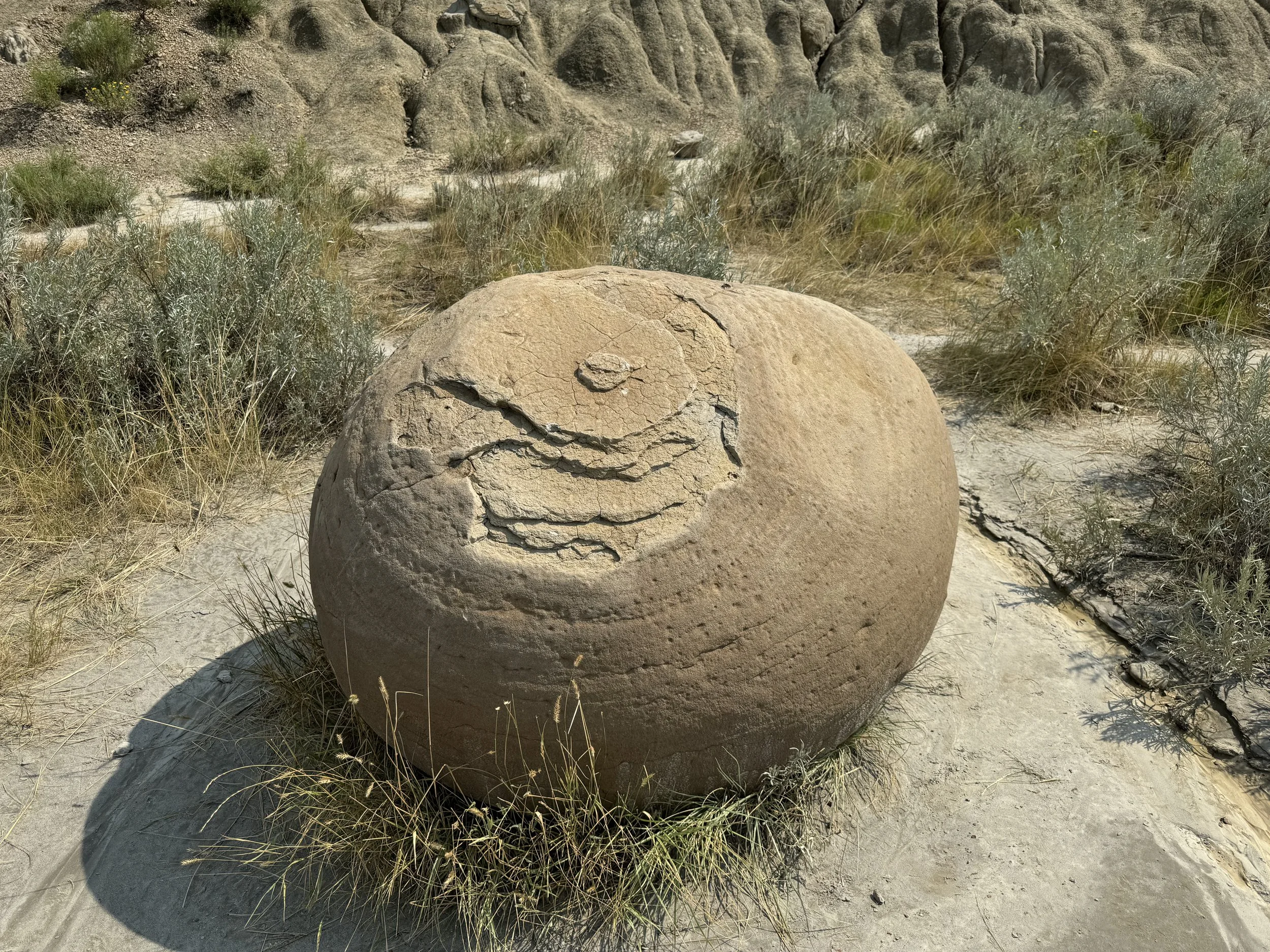
Cannonball
I only spent a short afternoon here in 2024. I did drive the out and back scenic drive. One unique feature is the longhorn cattle. According to the brochure, they were introduced to the North Unit in 1967 as a demonstration of the historical cattle drives conducted in the area during the 1880’s. They are all steers (nonreproductive males) and can often be found near Longhorn Pullout. You will likely see bison somewhere along the drive. They say that there are Bighorn Sheep in the North Unit, but I didn’t see any during my short visit.
I have spent considerably more time in the South Unit. First, I would like to talk about the town of Medora. I was just camping there for five days. Most town activities seem to take place June thru September including several shows that take place daily. To learn more about Medora, check out their website at medora.com. On July 4, 2026, the Theodore Roosevelt Presidential Library will be opening in Medora.
The entrance to the park is in “downtown” Medora. There is a 36-mile scenic drive loop and depending on how many stops you make, will take you about two hours to complete. Every time I have driven the loop, I have seen bison and prairie dogs. There are several prairie dog towns with pull-outs for you to stop and watch these little creatures play. Bison can be seen anywhere along the loop. The unique feature of the South Unit and the reason I have visited on two occasions is the presence of wild horses. In 2024, I didn’t see any wild horses along the loop but this year I had several encounters with the horses. The best place to see the horses is to take Exit 36 off Interstate 94 and follow the dirt road along the boundary fence. I have seen as many as 100 horses at a time in this area. You can also access the Upper Talkington Trail in this area. I have “hiked” two trail in this unit. The Coal Vein Trail is an area that was once burned by an underground coal vein fire. I also “hiked part of the Wind Canyon Trail. It is an area that was “sculpted” by wind instead of water and is incredibly beautiful at sunset. Both trails are easy but do contain stairs.
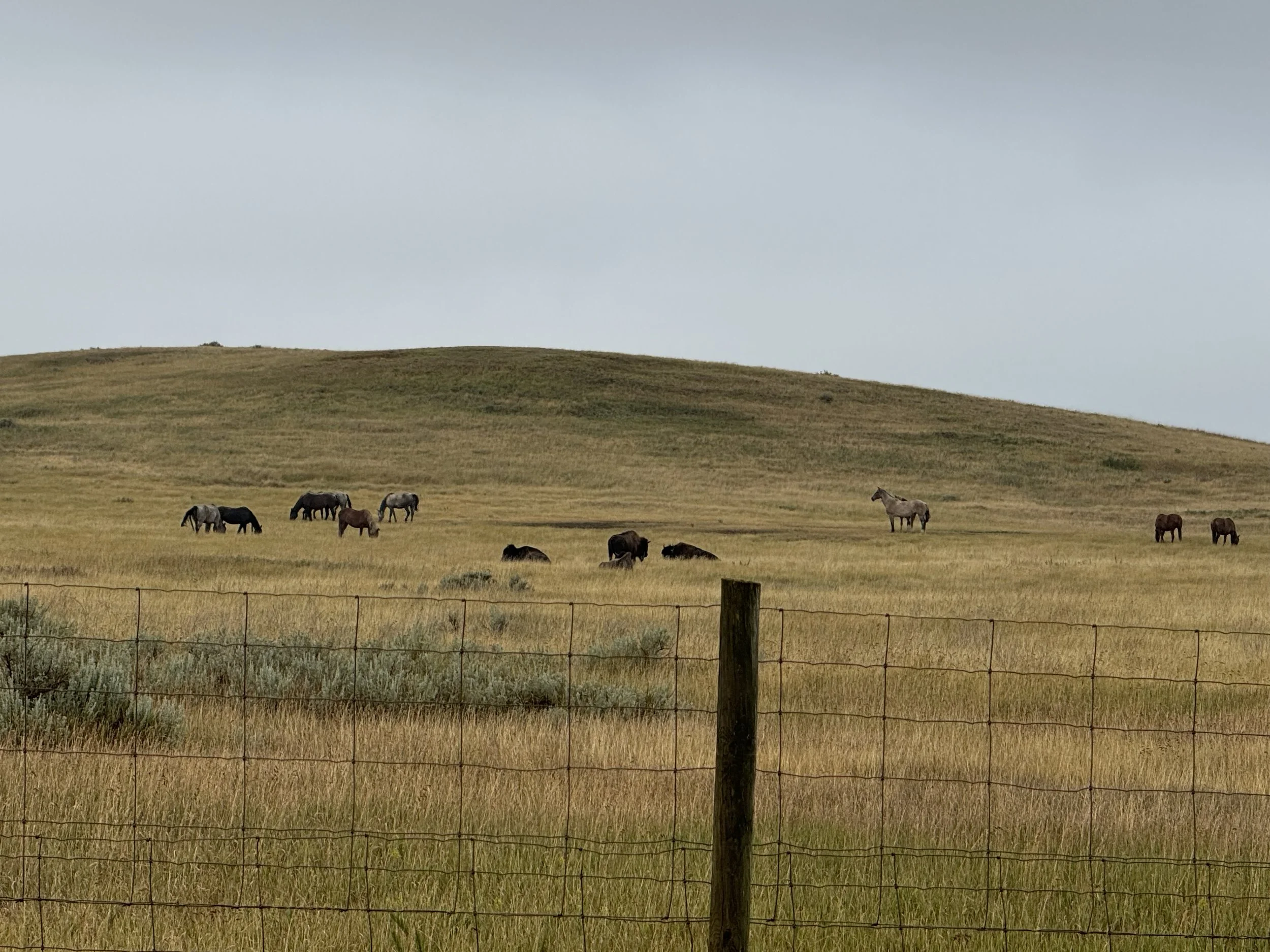
Wild horses as seen from the dirt road at Exit 36
The park averages between 700,000 and 800,000 visitors each year putting it in the middle of the pack in attendance. The busiest months are June, July, and August. Should you visit this park? I would say yes, at least the South Unit. It is worth a day or two stop. You could easily spend a day in the park and a day with activities in town. It provides beautiful Badlands landscape photography opportunities. As far as wildlife photography, the horses are the draw for me. You have bison and prairie dog opportunities but there are better locations like Badlands National Park, Wind Cave National Park and Custer State Park for these species in my opinion. Overall, if you are not a wild horse enthusiast like me, I would have this on my list of parks to visit but probably not at the top.
As always, I welcome any feedback and questions. I plan to discuss a different National Park each month. Let me know your favorite.
If you are interested in more content from me, you can check out my Substack, Facebook and Instagram at the links below.
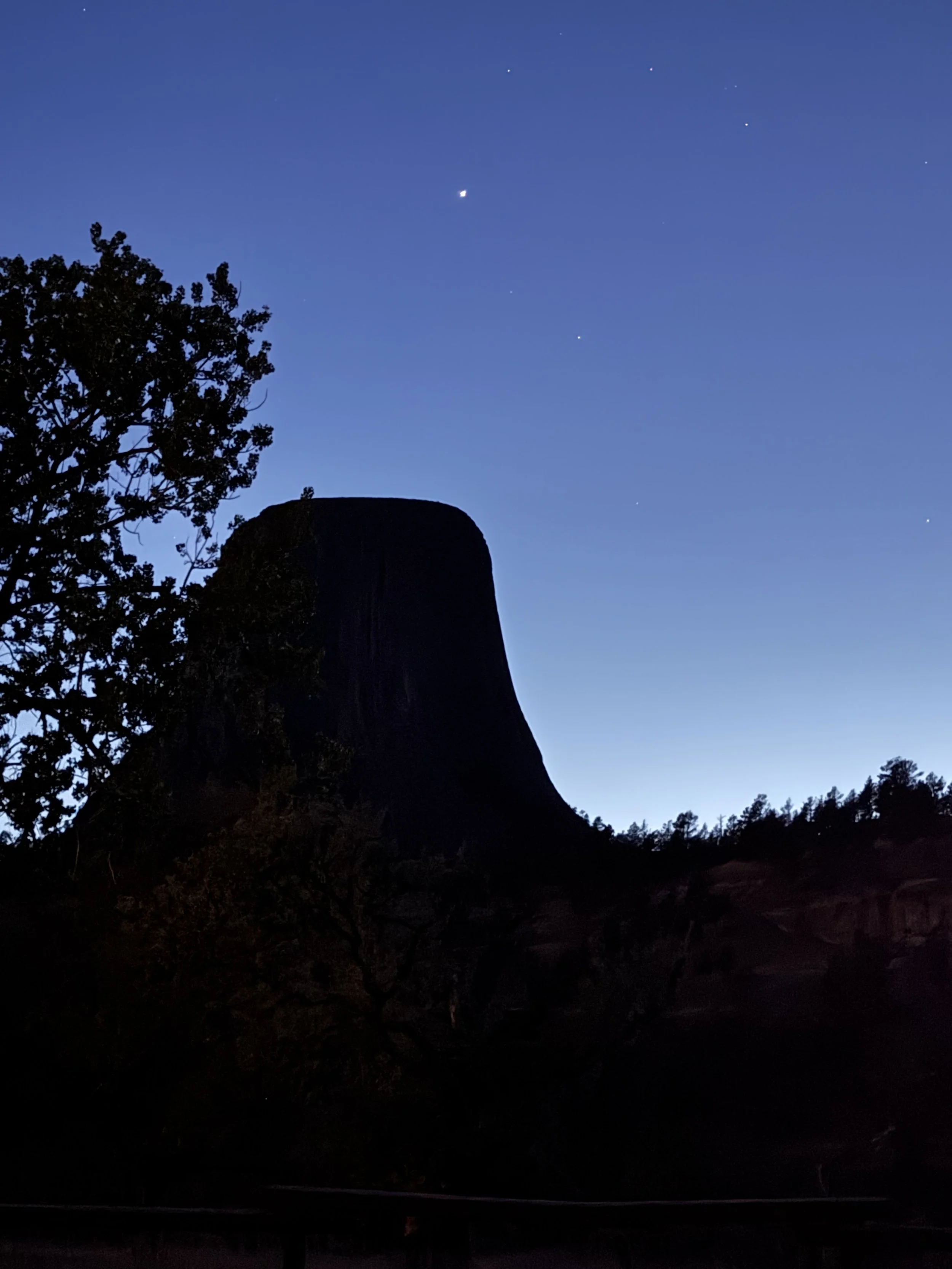
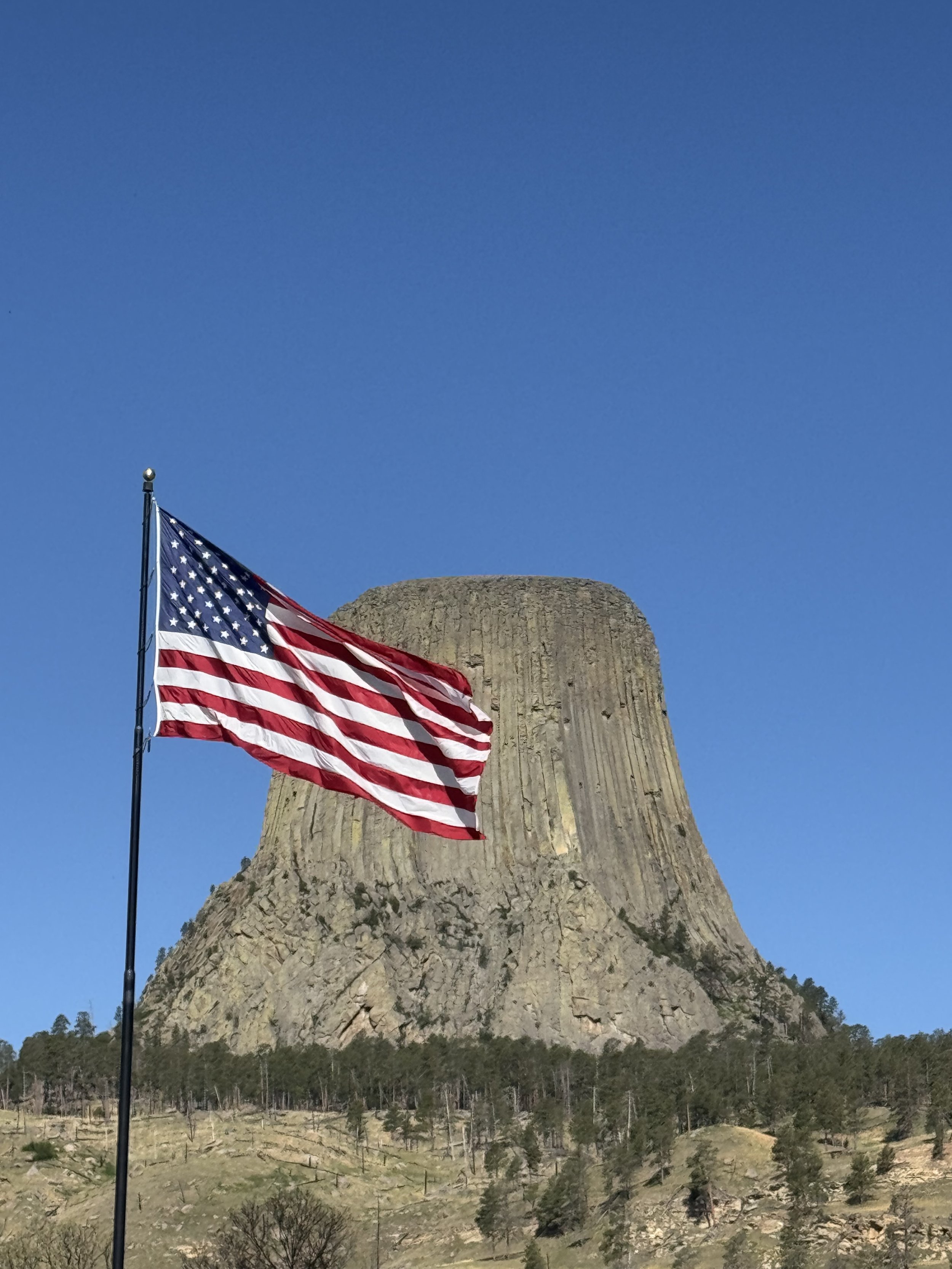
Photo of the Week
I love these little critters.
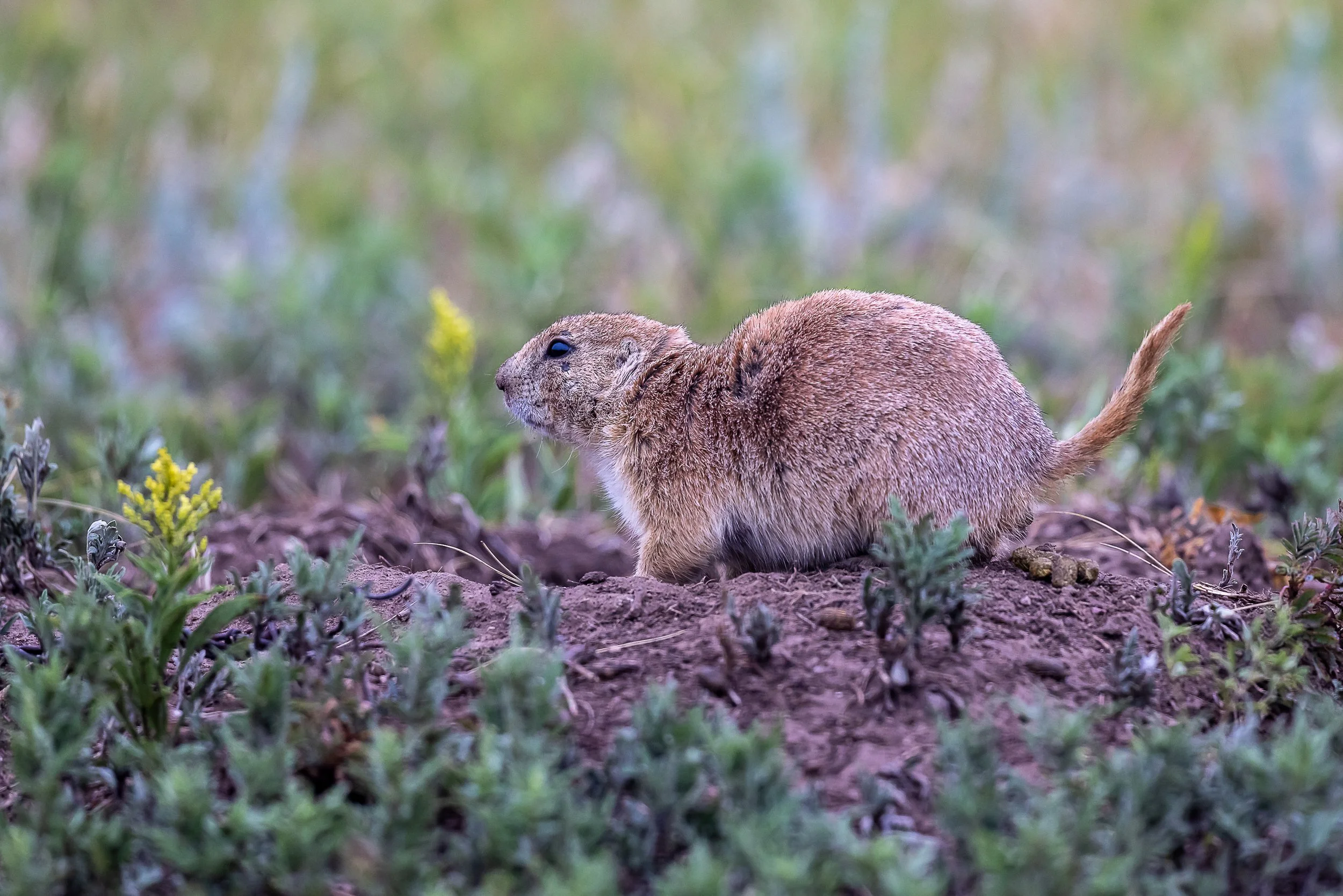
This photo is from 2024 at Wind Cave National Park. Last night I spent an hour with my camera on a ground pod, laying prone just trying to get to eye level with these little ones to photograph them. It was worth every uncomfortable minute. Have a great weekend.
To see more contact, check out my Facebook and Instagram links below along with my Substack at https://macturkphotos.substack.com/
The view
Sometimes you just have to sit back and enjoy the view.
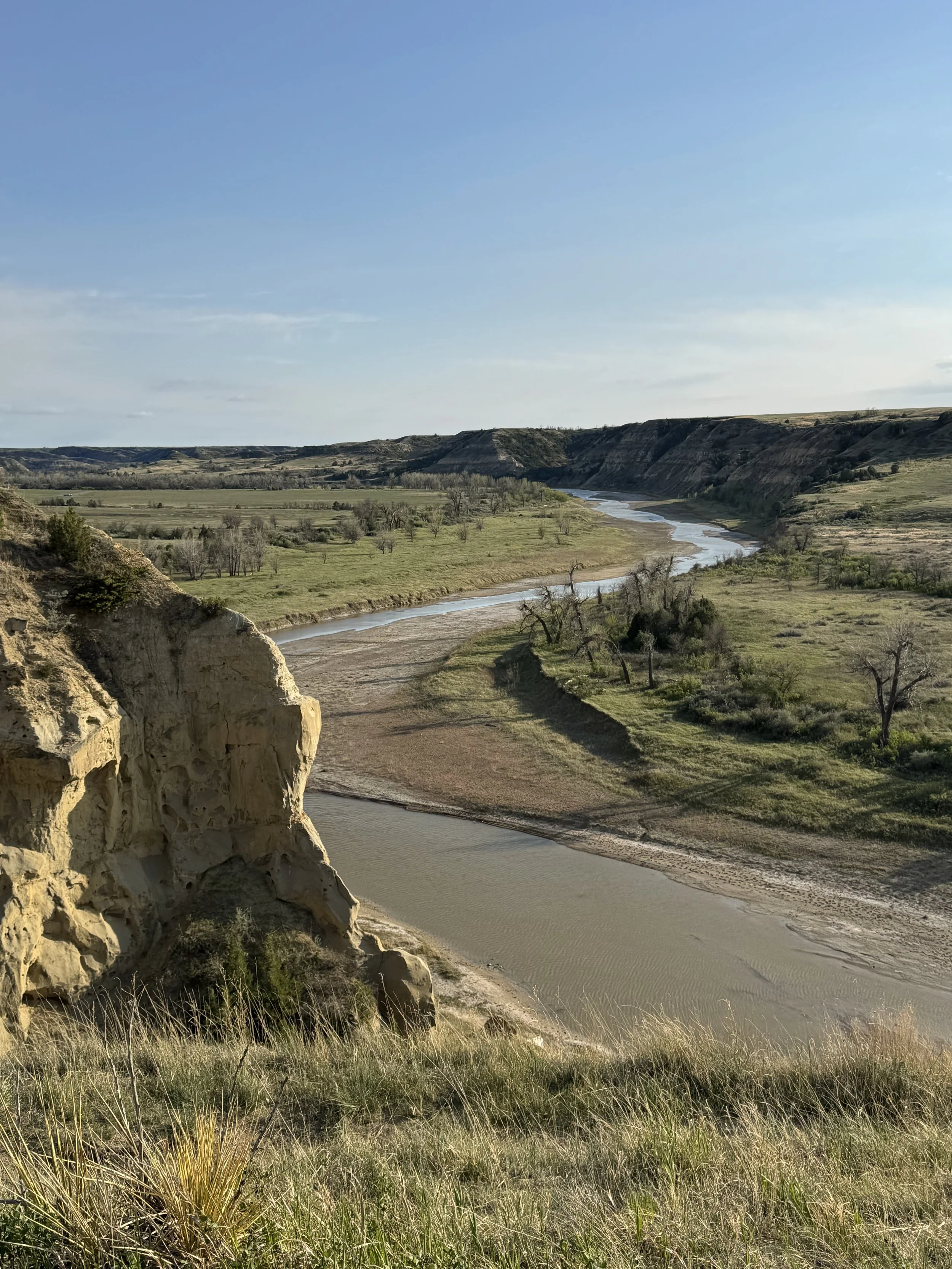
I took this photo this evening at Theodore Roosevelt National Park (South Unit)
Follow me on Facebook and Instagram (links below) and for more content check out my Substack at https://macturkphotos.substack.com/
Is this a bison or a buffalo?
What do you call this animal?
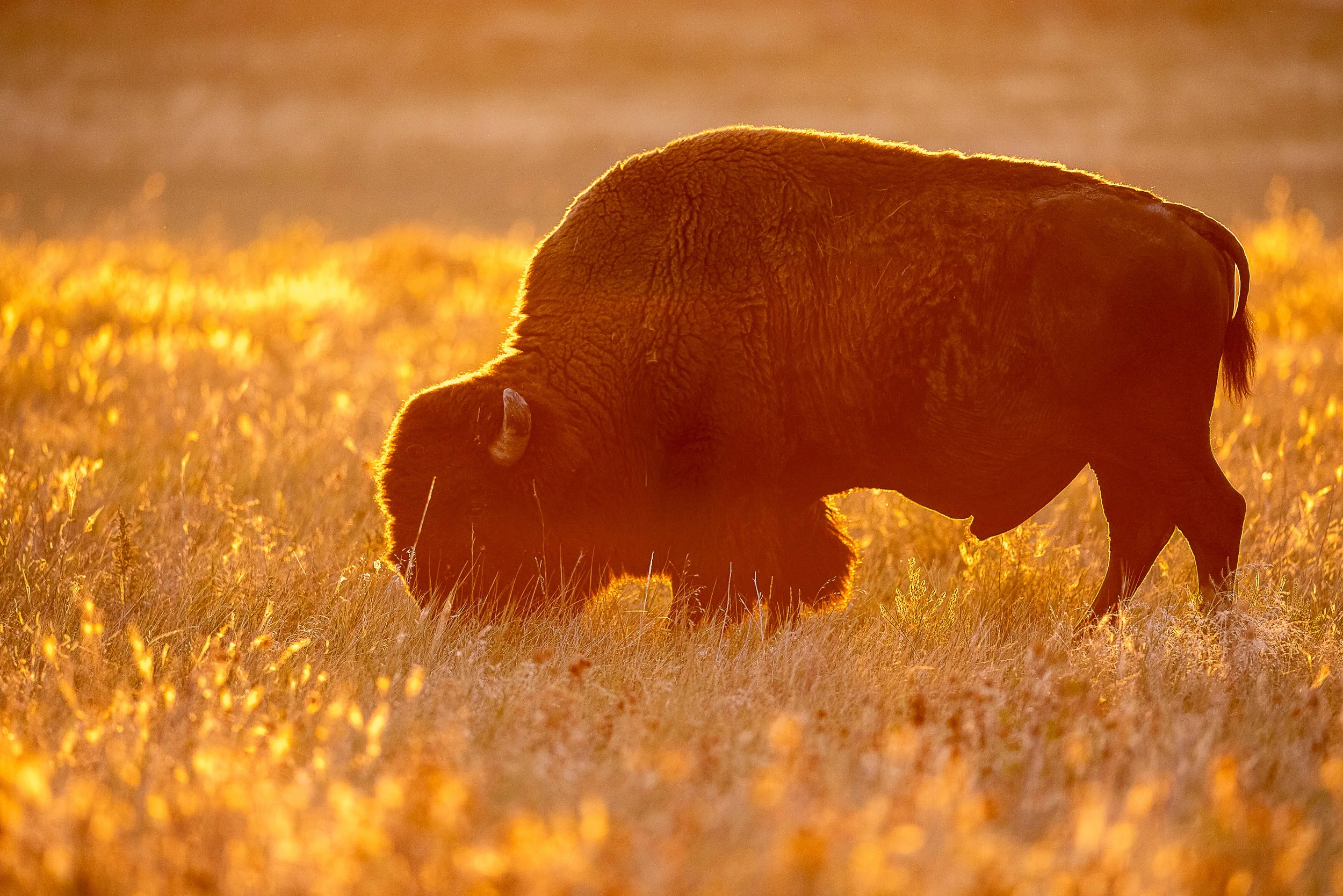
Here in North America, the term bison and buffalo is used interchangeably but they are not the same thing. This is the American Bison (Bison bison). It is native to North America. There are two main types of true buffalo: African buffalo (Africa) and Water buffalo (Asia). The two species really have little resemblance. Early European explorers used the term buffalo and it has stuck culturally to this day. I visited the North Dakota Cowboy Museum today and several of their displays referred to bison as buffalo. I even catch myself doing it sometimes. In my opinion, one of the best places to see bison is Badlands National Park. If you are ever in South Dakota, add a visit to your itinerary.
If you want to see more content, check out my Substack at https://macturkphotos.substack.com/
You can also follow me on Facebook and Instagram, links below.
American White Pelican
If you are like me, when you think of pelicans you think of beaches, oceans, and warm weather. Needless to say, I was surprised to see American White Pelicans as I approached Grahams Island State Park in ND
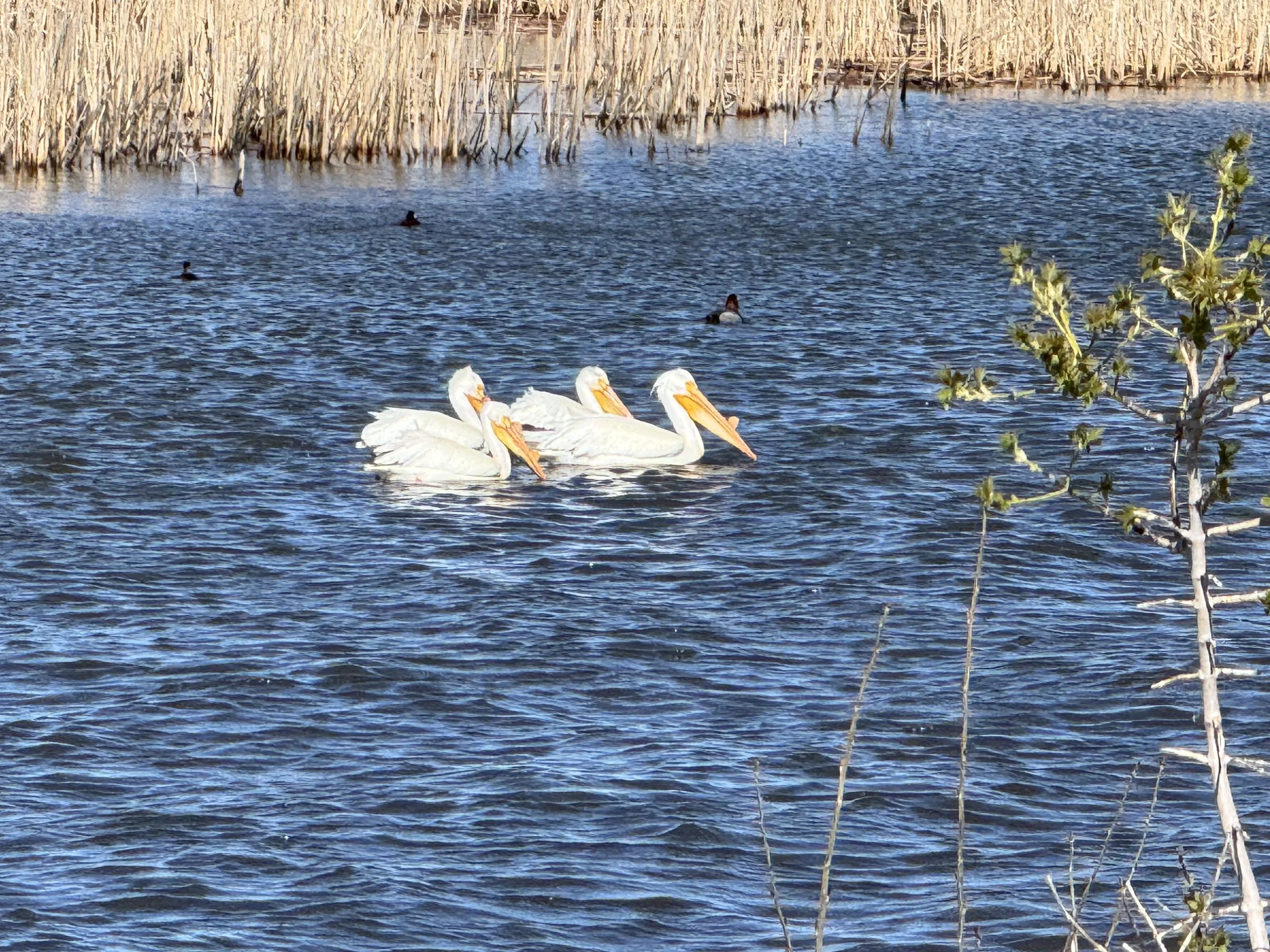
American White Pelican (Pelecanus erythrorhynchos)
I have stated in the past that I don’t consider myself a birder. My bird identification skills are terrible. I love the eBird app, especially the sound identification. I was in the area to photograph water fowl. I didn’t have pelicans on my bingo card. If I had done a little research ahead of time, I would have anticipated seeing pelicans. You see, the prairie potholes are part of their breeding grounds. They migrate during the daytime and rely heavily on thermals. Did you know that the keratinous appendage on their bill is referred to as the “centerboard”. It develops in the spring shortly before breeding and naturally falls off in late summer. It is a pretty unique feature to this bird.
I love when I see something I didn’t expect. Have a great day.
If you want to see more content, check out my Substack at https://macturkphotos.substack.com/
The prairie potholes of ND
I am in what is often referred to as the prairie pothole region. It is an ecological and geological fascinating area of North Dakota. I’m sure many of you have never heard that term before. It is a massive network of shallow wetlands pockmarking the grasslands of the state. It is also duck heaven.
Potholes were formed around 10,000 years ago, during the end of the Pleistocene epoch, the Wisconsin glaciation (the last great Ice Age) retreated across what is now North Dakota. As these massive glaciers melted and receded, they left behind a messy, uneven layer of glacial debris called "till." Blocks of ice broke off and became buried in this sediment. When those trapped ice blocks finally melted, the ground collapsed inward, leaving millions of shallow, bowl-shaped depressions. Because the landscape is geologically young, it never developed an "integrated drainage system"—meaning there are very few rivers or streams to carry the water away. Instead, these bowls catch spring snowmelt and rain, creating isolated wetlands. This unique landscape produces over 50% of North America’s migratory waterfowl every single year. This is prime breading ground for all kinds of mallards, gadwalls, blue-winged teals, northern shovelers, pintails, canvasbacks, and redheads. It has been an adventure exploring the area.
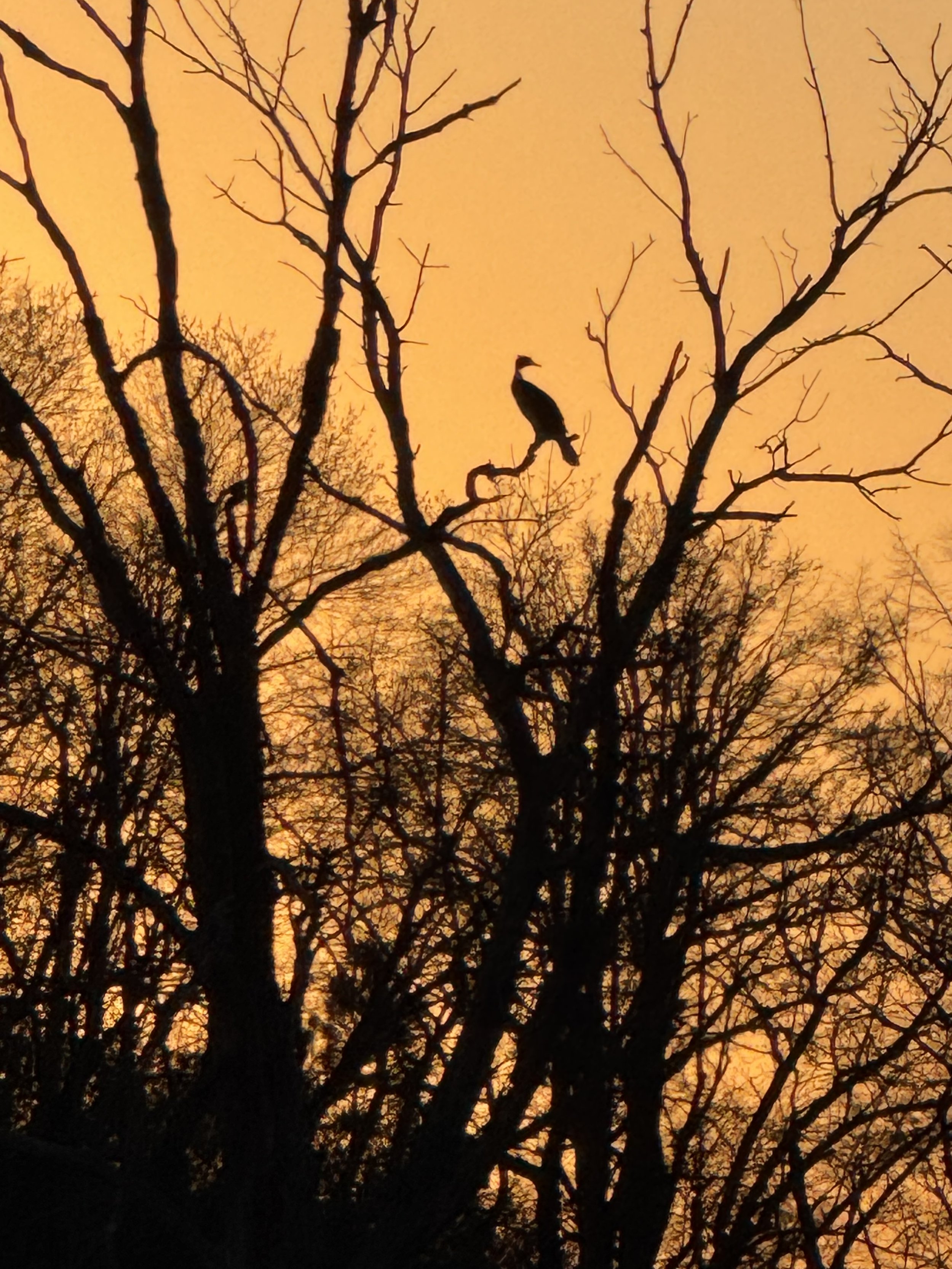
A surprise siting for me was the American White Pelican. I’ll be talking a little bit more about that tomorrow. Have a great day.
If you would like to see more content from me, join me over on my Substack at https://macturkphotos.substack.com/
Photo of the Week
I have some spotty internet connection this week so my posts may be a bit sporadic but I didn’t want to forget about the Photo of the Week.
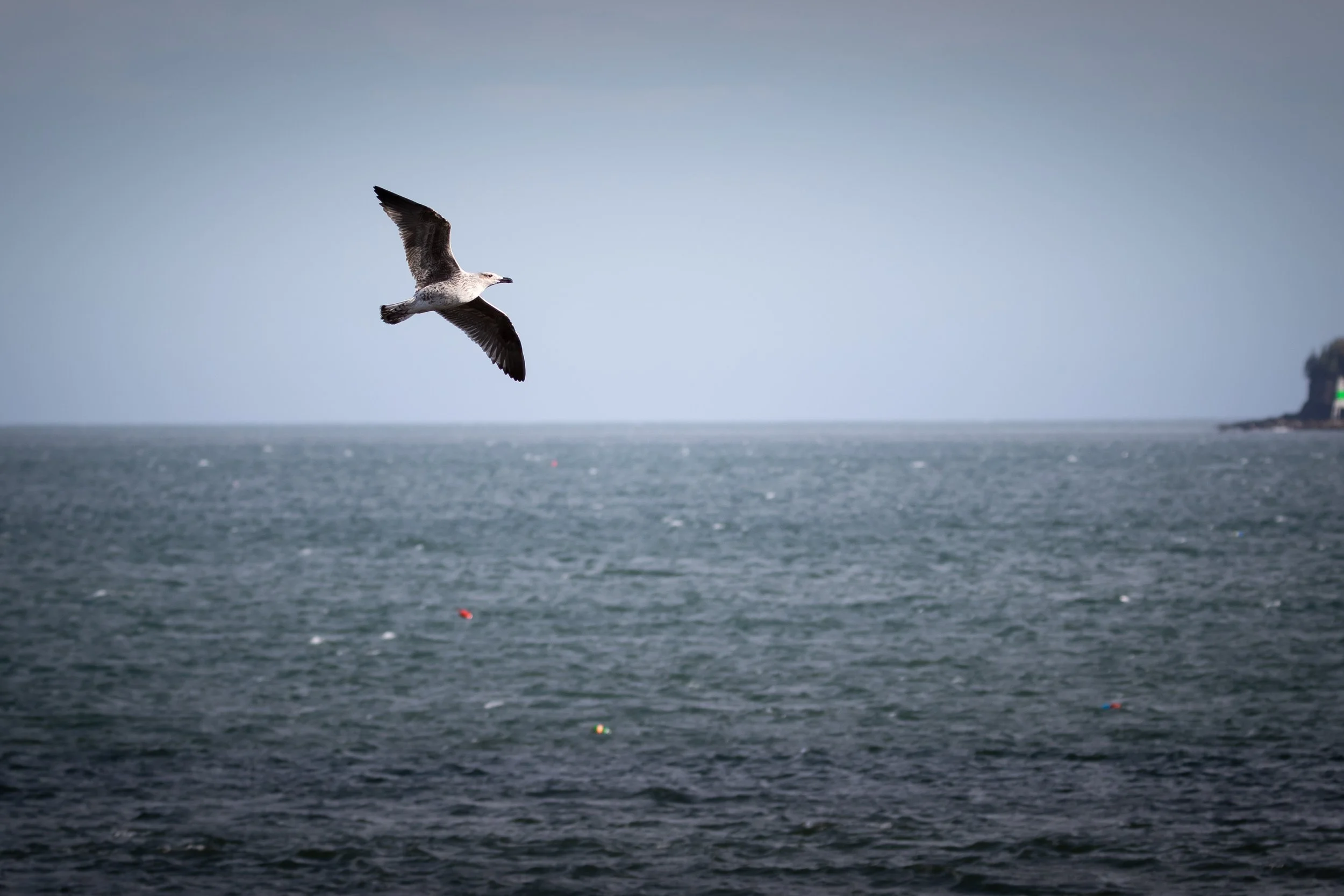
This picture was from my first and only (unfortunately) trip to Maine in 2020. What a beautiful area. I was photographing Owl’s Head Lighthouse and was fortunate to capture this image. Have a great weekend.
New Adventures
After three days of driving, I have arrived in North Dakota. Yes, I took three days to get here. When towing the camper, I tend to drive slower and I usually stop every 300-350 miles. I’m just tired by this point therefore my trips take a little longer. Now I am here in the Prairie Pothole region of North Dakota to photograph migration. It is also a scouting mission since I have never visited this area. I’m staying at a state park. I had a nice chat with the ranger as I checked in and got some photo areas to explore tomorrow. I can’t wait to get back out in the filed and hopefully get some good shots. Stay tuned.
Hitting the Road
Today has been a day of packing and getting ready to travel again starting tomorrow. I’m ready and Scout is ready. A new adventure awaits. We will be visiting some new places and some familiar places. Stay tuned.
Photo of the Week
This photo was taken in January 2026. I was experimenting with black and white photography
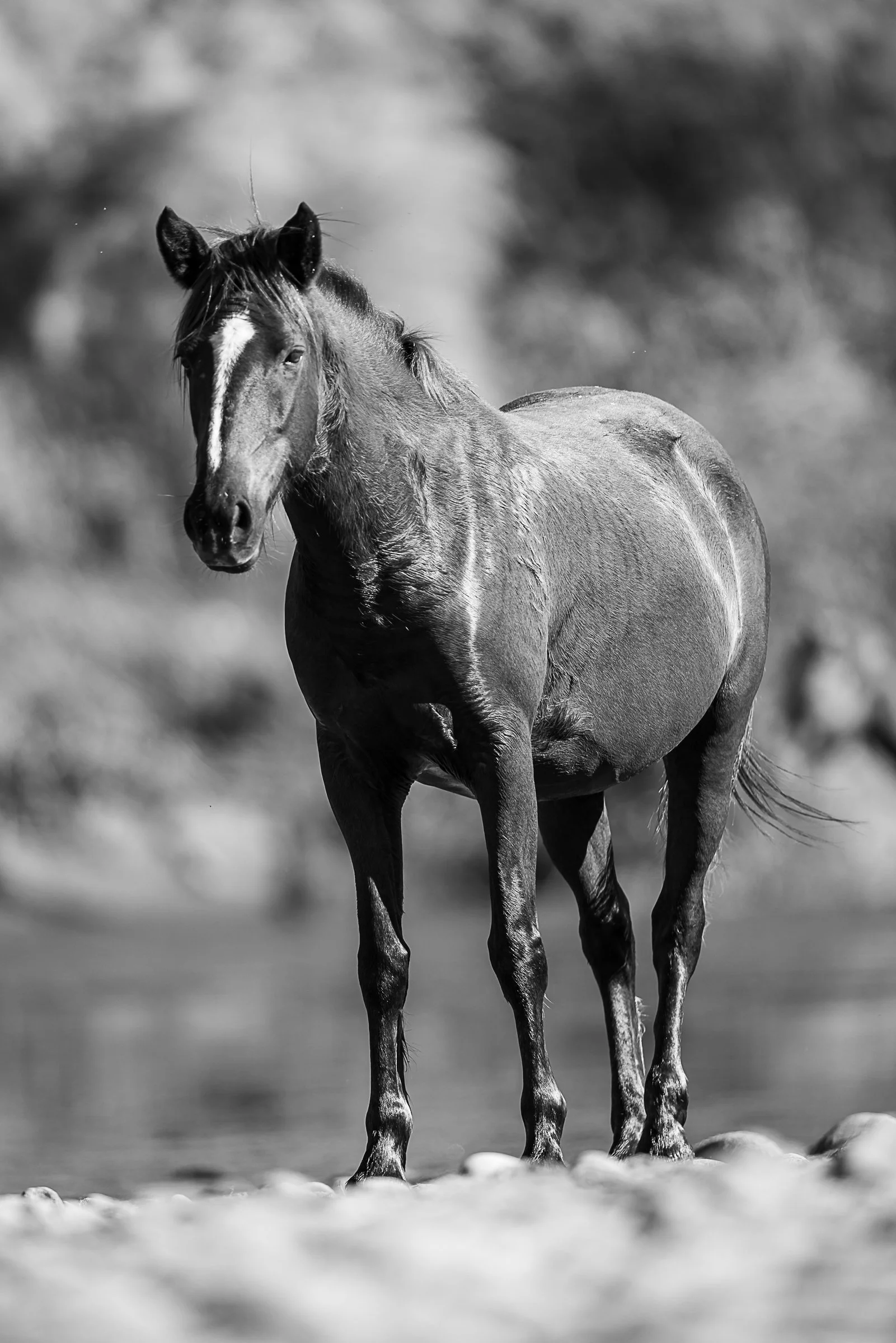
Shot with Cannon R5 and RF 600 mm lens along the Salt River
National MMIW Awareness Day
National Missing and Murdered Indigenous Women’s Awareness Day was May 5th. It was established in 2017 to honor Hanna Harris, a member of the Northern Cheyenne Tribe who went missing in 2013. The day kicks off a Week of Action where advocates, such as the National Indigenous Women’s Resource Center (NIWRC), encourage wearing red, attending marches, or hosting events to raise awareness. Red is the color worn to represent the lost, as it is believed to be the only color spirits see.
According to data from the National Institute of Justice and Indian Affairs, more than 4 in 5 (84.3%) American Indian and Alaska Native women have experienced violence in their lifetime. Murder is the third leading cause of death for Indigenous women aged 10–24, with rates up to 10 times higher than the national average in some jurisdictions. Approximately 67% of assaults involve non-Indigenous perpetrators. Approximately 95% of cases identified by the Urban Indian Health Institute had not been covered by mainstream media. This is a national crisis.
I ask you all to wear red this week to honor our sisters who are missing or have been murdered. That is the very least we can do.
If you want to learn more check out the National Indigenous Womens Resorce Center at: https://www.niwrc.org/restoration-magazine/february-2020/national-day-awareness-missing-and-murdered-indigenous-women-may
If you would like to see more of my writing, check out my Substack at: https://macturkphotos.substack.com/
Figuring out my next move
I’ve been mulling over my next move but I’m not ready to announce anything yet. Will probably have a decision by next week and get back on the road. Until then, here’s a picture I took last year.
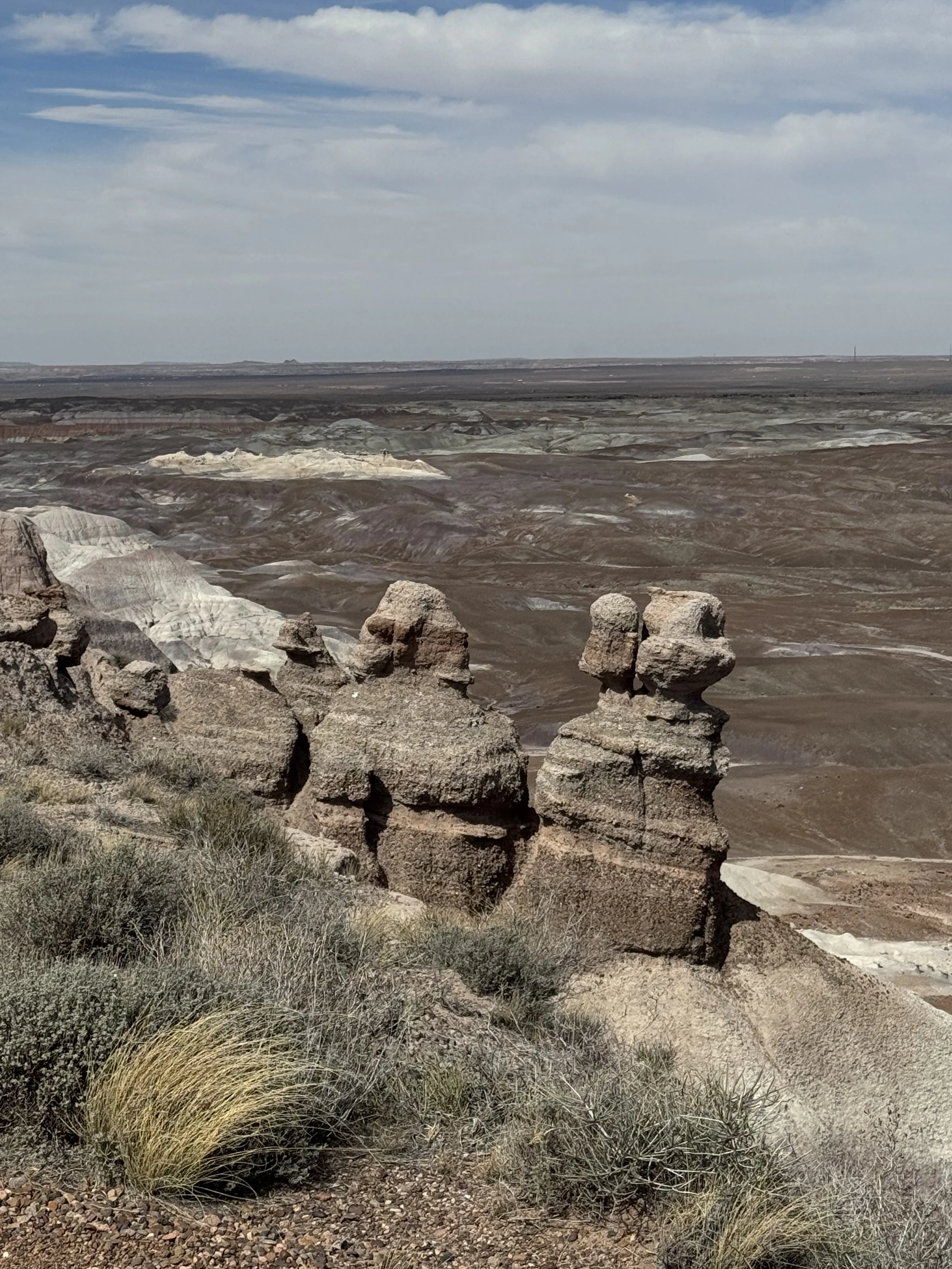
Sunshine Horses
I thoroughly enjoyed my time back in Syracuse. The last few years before I left, I spent my Sunday mornings volunteering for Sunshine Horses. Their motto is: Helping Horses Helping People. At the time I started, they helped me so much without ever knowing it. It was after covid lockdown and I just needed something to do for my mental health. I’ve always loved animals, especially dogs. I was initially going to volunteer for a dog rescue but I knew I would want to bring every dog I met home with me. I had visited an open house at Sunshine many years before in their old location. I decided to give it a try. I knew nothing about horses when I started. I was immediately hooked and fell in love with all the horses. They became my therapist, my confidant and my sounding board. I would tell then all about my week, the stress, the ups and downs. Then I started to feel better. My Sunday crew became my friends, we talked about our lives and families as we cleaned stalls. We even sometimes got together outside of our Sunday mornings for ball games and birthdays.
This past Sunday, I stopped by the farm to see my crew. Some faces have changed but it was an absolute thrill to see everyone. There were lots of new horses and some familiar ones. A couple of my favorites have moved on to their forever homes but I fell in love with a newer horse named Sadie. She recently came to the farm from a terrible neglect situation with three other horses. She is an absolute sweetheart. Gentle and kind.
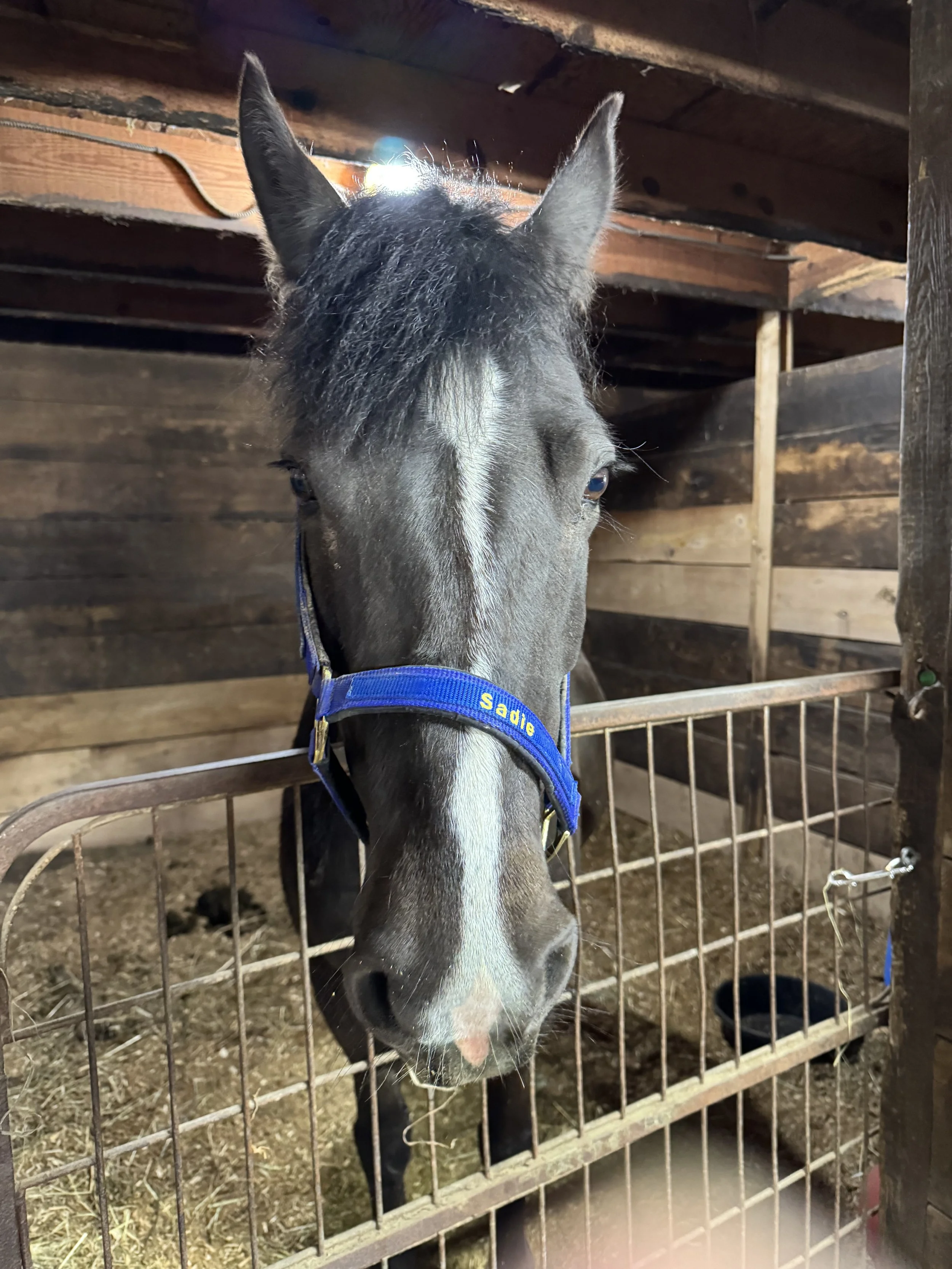
I mean, look at that face. How can you resist it? Their 7th annual gala is this Saturday, May 9th. It is a big fundraiser for the farm. They also offer month horse sponsorships. Please check out their website: https://www.sunshinehorses.org/
I know things are tough and money is stretched very thin these days. If you live in the Syracuse area, please consider volunteering. They have morning and afternoon slots. You won’t regret it, I promise.
If you would like to check out more of my writing or subscribe to my free monthly newsletter, you can check out my Substack: https://macturkphotos.substack.com/
Have a great week.
Photo of the Week
Without further ado…..
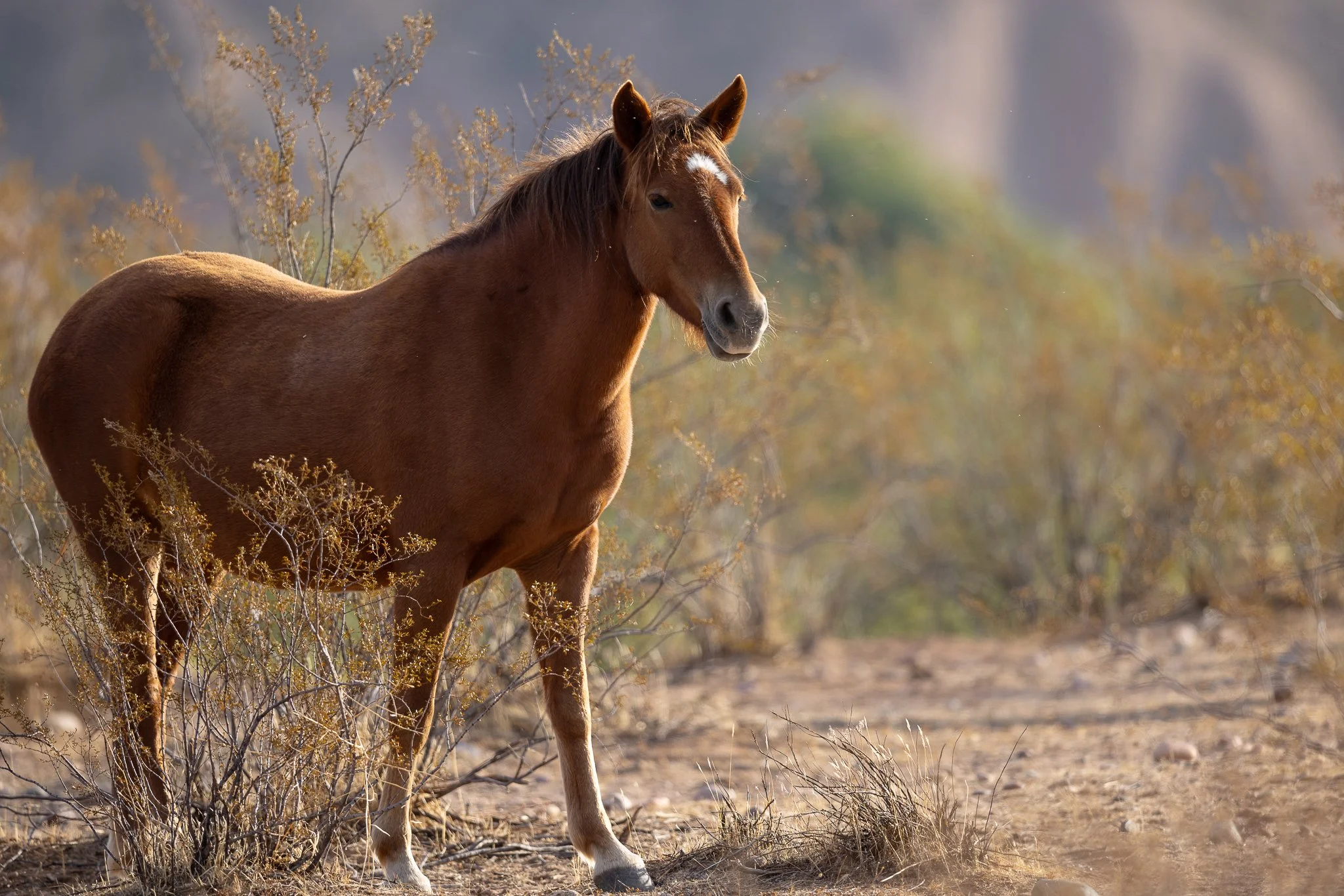
This image was made in 2024 in Arizona, near the Salt River. It was my first time in this area and I was on a photo tour with a group of the most wonderful women. I shot this the first day at the river and is the reason I went back to that area this past winter. This beautiful young horse captured my heart.
Have a great weekend.
If you would like to see more of my writing, check out my Substack at https://macturkphotos.substack.com/